Older homes across Springfield have a lot of charm, but they can also hide a few surprises. One of the biggest issues we see is hidden water damage. With cold winters, aging pipes, and shifting foundations, damage often shows up in places you can’t spot right away.
Signs of water damage in Springfield homes aren’t always clear. A wall may look fine on the outside while moisture is spreading behind it. By the time something becomes obvious, the real damage might already be done. That’s why being able to spot those small early signs can make all the difference.
If you live in an older home, especially during the winter months, knowing where to look and what to listen for can help prevent bigger problems later on. Let’s take a look at some of the less obvious clues that water might be getting where it shouldn’t.
Common Places Water Damage Hides in Older Houses
In homes that have been standing for decades, pipes, seals, and materials have had a lot of time to wear down. Water damage doesn’t always show up near a leak. It moves, it can run along beams, collect behind walls, or soak into quiet corners.
Some of the most common hidden spots include:
- Behind walls or ceilings near old plumbing, especially with older galvanized or rusting pipes
- Under flooring in kitchens, bathrooms, or basements, where past leaks may have gone unnoticed
- Around older windows where cold air, snow, or rain can find a way inside
- Near rooflines or in attics, where insulation may be weak and snowmelt can sneak in
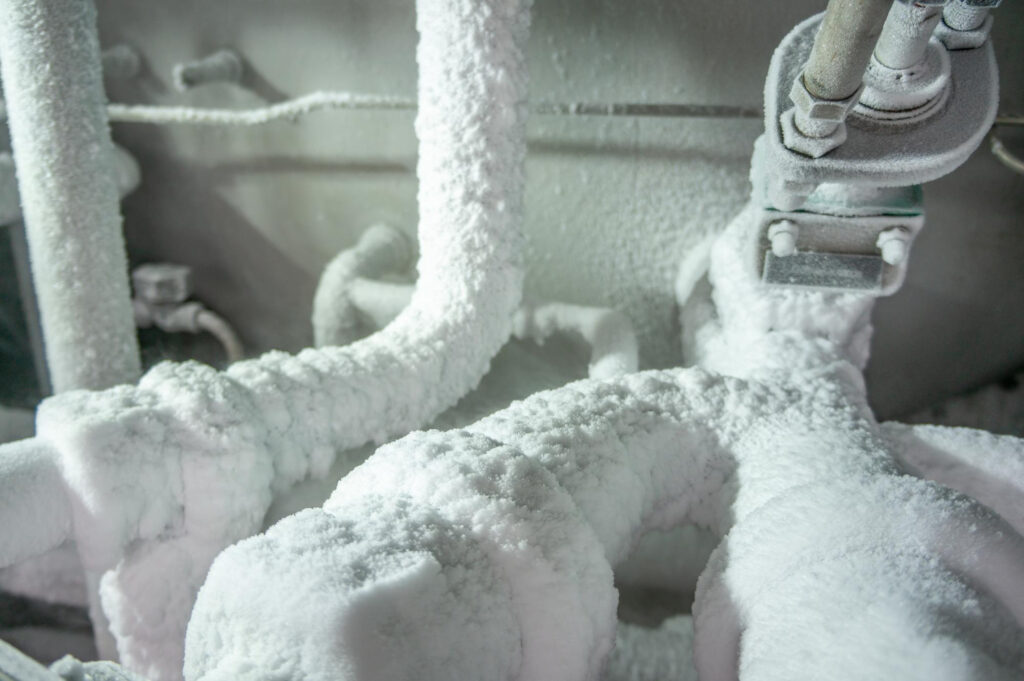
Snow and ice buildup during the winter months only adds to the risk. In some Springfield homes, insulation isn’t enough to stop cold outdoor temperatures from getting into wall cavities. That chill can freeze pipes or cause condensation, which often leads to slow, hidden moisture buildup.
Smells and Sounds That Can Be Clues
Sometimes your nose or ears will notice water damage before your eyes do. Wet spots in walls or floors give off a certain smell, especially when they’ve been sitting for a while.
Here are some clues you might pick up without even seeing damage yet:
- A sour or musty odor that doesn’t go away, even after cleaning or airing out the room
- Dripping or tapping sounds, especially in walls, ceilings, or under sinks
- Strange gurgling when water drains, possibly from damaged pipes behind walls
- A squeaky floorboard or an area that feels hollow or soft compared to the rest
These aren’t just odd quirks of an older home. When something feels off or sounds wrong, it’s often worth checking deeper, especially during the cold months when wood and flooring don’t expand like they would in warmer seasons.
Changes in Walls, Paint, or Flooring
Even small shifts in the way your home looks can point to moisture. Cracks, bubbling, or sagging may not seem like much at first, but they often show up after water has been hanging around behind surfaces for a while.
Keep an eye out for:
- Peeling or bubbling paint, especially near the base of walls or window frames
- Discoloration, especially yellow or brown spots on ceilings
- Warped wood around floors, door frames, or baseboard trim
- Cracks in drywall that seem to grow slowly or change shape over time
Dry winter air makes paint and wood shrink, which can sometimes hide signs for a little while. But once moisture has done its damage, surfaces won’t lie for long. If these signs are showing up, the cause could be water moving somewhere it shouldn’t.
How Cold Weather Can Reveal Water Damage
Winter in Springfield doesn’t just make things uncomfortable. It often brings moisture problems too. Ice and snow pile up on homes, and when things start to melt, even just slightly on a sunny January afternoon, water has a chance to get inside.
Here are a few common cold-season changes that can bring hidden damage to the surface:
- Ice dams forming near the edges of your roof, which allow melting snow to leak into attics or upper walls
- Frozen pipes inside walls or under sinks that burst suddenly, flooding the area without warning
- Poor insulation or cold attic air letting condensation form inside ceilings
In older homes, insulation is often outdated or thin, which increases the risk of condensation collecting on inside walls and windows. When that dampness stays trapped without airflow, it can soak into materials quietly for weeks before you ever notice.
Why Fast Help From the Right Team Matters
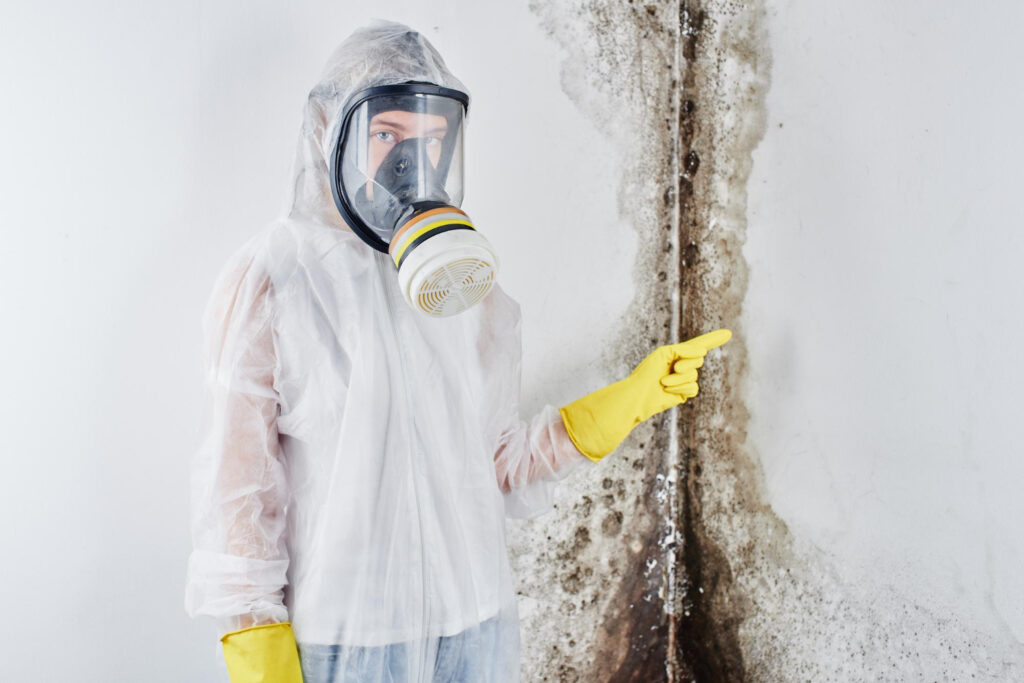
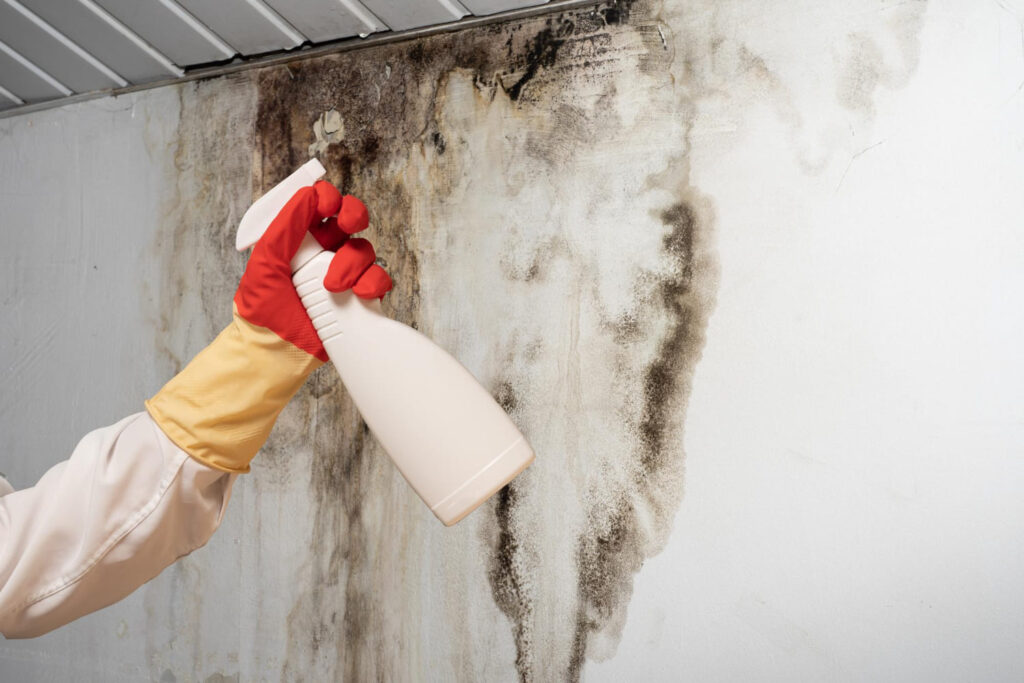
Spotting water damage is one part of the puzzle. What happens after that is just as important. In cold, dry winters like we see in Springfield, small leaks don’t always dry out quickly. Moisture can stay trapped below the surface where it’s hard to see. Without proper drying, surfaces start to break down, and mold can grow in hidden places. Because we also provide professional mold remediation, we understand how quickly lingering moisture in older structures can turn into a mold problem.
That’s when you need fast help, but not just from anyone. When a pipe bursts or hidden damage becomes a real problem, your insurance company may suggest a contractor. But you don’t have to go with whoever they assign. You can choose your own help. As an IICRC-certified disaster restoration company, we follow industry standards for inspecting and drying older homes.
Hiring your own restoration company means:
- You speak directly with the people fixing your home
- You can often start faster without waiting in a queue
- You get a team that works at your pace and keeps you informed
It’s your house, and you should be the one who decides who comes in to take care of it. Don’t feel like you need to stick with someone just because insurance suggested their name. We provide 24/7 emergency water damage cleanup in Springfield and throughout Hampden County, so help is available whenever a problem appears.
Strong Start Leads to a Better Recovery
Water damage in Springfield homes doesn’t always scream for attention. Sometimes it shows up in smells, soft flooring, or a bubbling paint patch on the ceiling. These small signs can point to something much bigger happening under the surface.
Cold winters add another layer of risk. Pipes freeze, roofs gather snow, and older houses aren’t always ready for the pressure. Paying attention to small changes now can help protect your space later. If things feel off, even a little, it’s worth following up before damage spreads.
The best way to keep your space safe is to stay aware. When something doesn’t look, smell, or sound right, trust your gut and take a closer look. A strong start to spotting damage early can help your home recover faster and with less stress later on.
Even subtle signs of trouble in your home deserve immediate attention because addressing potential water damage in Springfield right away can make all the difference. Cold winters can worsen hidden leaks and once moisture gets into older structures it can spread quickly. At Force1 Restoration we help homeowners take control early so repairs don’t spiral into bigger issues. Contact us today to get the support you need.