Property damage can happen at any hour, and delaying the response can allow a manageable problem to become a much larger restoration project. Emergency restoration services in Massachusetts provide homeowners and businesses with access to professional assistance around the clock after events such as burst pipes, flooding, fires, sewage backups, and severe storms. Rapid response helps limit the spread of damage, protect affected areas, support safer conditions, and begin disaster recovery sooner. Force1 Restoration helps property owners respond to urgent damage with timely assessment, cleanup, and restoration services.
Why 24/7 Restoration Response Matters
A property emergency does not follow regular business hours. A frozen pipe may burst overnight, a roof can begin leaking during a storm, or a fire may leave a commercial building damaged early in the morning. Waiting several hours for assistance can give water, smoke, or other hazards more time to affect additional parts of the property.
A 24/7 restoration service gives property owners a direct point of contact when an emergency occurs. The initial response can focus on assessing the situation, identifying immediate hazards, stopping ongoing damage where possible, and determining which restoration steps should happen first.
Faster Action Can Limit Property Damage
The first stage of an emergency restoration response is often about containment. Water needs to be removed, exposed areas may need temporary protection, and unsafe sections of a property may need to be restricted. Acting promptly gives restoration professionals a better opportunity to address the source and effects of the damage before they spread.
For water-related incidents, this can involve extraction, moisture inspection, air movement, and dehumidification. Fire-related emergencies may require smoke and soot cleanup, odor control, and assessment of materials affected by heat or firefighting water.
Rapid response can be particularly useful for:
“`html- Burst or frozen pipes
- Major plumbing leaks
- Storm-related water intrusion
- Roof leaks
- Flooding
- Sewage backups
- Fire and smoke damage
- Water damage following firefighting efforts
The required service depends on the source, severity, and affected materials.
The required service depends on the source, severity, and affected materials.
Water Damage Needs Prompt Attention
Water can move through flooring, walls, ceilings, insulation, and furnishings. Even when standing water is removed, moisture may remain in concealed areas. Delayed drying can increase the chance of additional damage to building materials and belongings.
Professional restoration teams can assess the affected areas and use commercial equipment to remove water and support controlled drying. Depending on the situation, the process may include:
- Inspecting the affected property.
- Identifying the source and extent of the water.
- Removing standing water.
- Checking moisture levels in affected materials.
- Using air movers and dehumidification equipment.
- Removing materials that cannot be properly restored.
- Cleaning and treating affected areas as appropriate.
- Monitoring the property during the drying process.
Surface appearance alone does not always show how much moisture remains inside a building. Proper assessment and monitoring help determine the progress of the drying process.
Fire Damage Requires More Than Smoke Removal
Fire damage can continue to affect a property after the fire has been extinguished. Smoke and soot may settle on walls, ceilings, furniture, fixtures, and personal belongings. Water and other materials used during firefighting can also create additional moisture damage.
Professional fire damage restoration can address several parts of the cleanup process. Depending on the circumstances, technicians may clean smoke residues, remove damaged materials, address odors, extract water, and help stabilize affected areas.
Prompt damage control is useful because smoke residues and moisture can continue affecting materials after the immediate emergency has passed. Property owners should also avoid entering areas that may have structural, electrical, or other safety hazards until they have been assessed.
Massachusetts Weather Makes Emergency Response Especially Relevant
Massachusetts properties experience a range of seasonal conditions that can contribute to property emergencies. Freezing temperatures can result in burst pipes, heavy snow can place pressure on structures, and strong storms can cause roof and water damage. Coastal properties may also face risks associated with heavy rain, wind, and storm-related water intrusion.
A restoration company serving Massachusetts can respond to these incidents with an understanding of common regional property concerns. Fast assistance can be particularly valuable during severe weather, when several properties may require restoration at the same time.
Common Emergencies and Immediate Priorities
“`html| Property emergency | Main concern | Initial restoration priority |
|---|---|---|
| Burst pipe | Spreading water and moisture | Water removal and drying |
| Heavy storm | Roof or exterior water intrusion | Stop further exposure and remove water |
| Flooding | Standing water and affected materials | Extraction and moisture assessment |
| Fire | Smoke, soot, heat, and water damage | Property stabilization and cleanup |
| Sewage backup | Contaminated water | Safe removal and specialized cleaning |
| Roof leak | Continued water entry | Temporary protection and drying |
Each incident requires an assessment based on its source, severity, location, and the materials affected.
24/7 Services Help Reduce Business Disruption
For businesses, property damage can interfere with employees, customers, equipment, inventory, and normal operations. A flooded office, fire-damaged restaurant, or storm-damaged commercial building may require certain areas to remain closed while cleanup takes place.
A prompt restoration response can help establish which areas are affected and which immediate actions are required. Water extraction, drying, debris removal, smoke cleanup, and temporary protection may allow the recovery process to begin sooner.
Businesses should also consider the importance of documenting damage. Photographs, videos, equipment records, moisture readings, invoices, and other documentation can help maintain an organized record of the incident.
Professional Equipment Can Support Better Drying
Emergency restoration involves more than removing visible water. Moisture can remain underneath flooring, inside walls, beneath cabinets, and in other areas that are difficult to inspect without appropriate equipment.
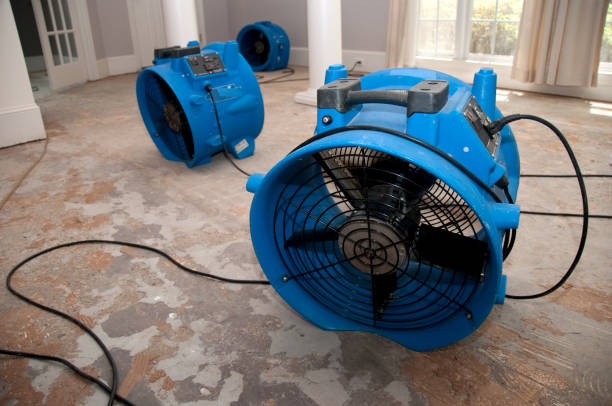
Restoration professionals may use commercial water extraction equipment, air movers, dehumidifiers, moisture meters, and other tools based on the type of damage. These tools support controlled drying and help technicians monitor affected areas during restoration.
The equipment used will depend on the property, materials, amount of water, and conditions present. Some situations may also require specialized cleaning or remediation procedures.
Faster Response Can Support the Insurance Process
Property owners dealing with significant damage often need to communicate with their insurance provider. Restoration companies can assist by documenting the condition of affected areas and maintaining records of the work performed. Property owners also have the option to choose their own restoration company, rather than automatically using a provider recommended by their insurer. Understanding your options when choosing a restoration company can help you make a more informed decision during the claims process.
Documentation may include:
- Photographs of affected rooms and materials
- Moisture readings
- Descriptions of emergency services
- Equipment used during restoration
- Dates and times of service
- Invoices and work records
This information can help create a clearer record of what happened and what emergency work was performed. Insurance coverage varies by policy, so property owners should contact their insurer promptly, review their policy requirements, and keep communication records throughout the restoration process.
What Property Owners Should Do During an Emergency
The first priority after property damage is protecting people from immediate hazards. Do not enter areas with suspected structural instability, exposed electrical systems, contaminated water, active fire hazards, or other unsafe conditions.
For situations that are safe to approach, property owners can take several practical steps:
- Contact an emergency restoration provider. Explain the type and extent of the damage.
- Address the source when safe. For example, shut off the water supply if a plumbing failure is responsible and doing so does not create a safety risk.
- Notify the insurance company. Follow the reporting requirements in your policy.
- Document visible damage. Take photographs or videos from safe areas before cleanup begins.
- Protect unaffected belongings. Move items away from the affected area only if doing so is safe.
- Keep records. Save receipts, service documentation, and relevant communications.
Avoid using electrical appliances in standing water or attempting hazardous cleanup without professional guidance.
Why Having a Restoration Contact Before an Emergency Helps
Searching for restoration assistance after a major incident can be difficult, particularly when the property is already damaged and normal routines have been interrupted. Having a reputable local restoration provider’s contact information available can save valuable time.
Property owners can prepare by keeping important information accessible, including insurance details, utility contacts, emergency numbers, and the contact information of a restoration company. Basic preparation does not prevent property damage, but it can make the initial response more organized.
For Massachusetts homeowners and businesses, knowing who to contact for water, fire, storm, and other emergency damage can make the first few hours easier to manage.
How 24/7 Restoration Supports Disaster Recovery
Disaster recovery is a process rather than a single cleanup visit. After the immediate emergency has been controlled, property owners may need drying, cleaning, repairs, reconstruction, content restoration, and coordination with other professionals.
A timely restoration response establishes an early assessment of the damage. From there, property owners can make informed decisions about the work that needs to be completed and the areas that require additional attention.
The earlier the restoration process begins, the sooner property owners can move from emergency response toward repair and normal use of the property. The exact recovery timeline varies significantly based on the type and extent of the damage.
Benefits for Homeowners and Businesses
The value of 24/7 restoration assistance goes beyond simply having someone answer the phone at night. Around-the-clock availability can provide several practical benefits during a property emergency:
- Immediate communication: Property owners can report damage outside normal business hours.
- Faster assessment: Professionals can begin evaluating the affected areas sooner.
- Damage control: Immediate action may limit the spread of water, smoke, or other damage.
- Professional drying: Specialized equipment can address moisture that remains after water extraction.
- Safer cleanup: Trained professionals can identify conditions that may require specialized handling.
- Reduced disruption: Businesses can begin organizing their recovery process sooner.
- Better documentation: Restoration records can help property owners maintain information about emergency work.
- Earlier disaster recovery: Prompt stabilization creates a clearer starting point for repairs and restoration.
These benefits do not eliminate the effects of a major property loss, but they can help property owners respond in a more organized and timely way.
Conclusion
A property emergency can become more difficult to manage when response is delayed. Around-the-clock restoration assistance gives Massachusetts homeowners and businesses a way to begin assessment, containment, cleanup, and recovery as soon as possible. Rapid response is particularly valuable for water, fire, storm, and sewage-related incidents where conditions can change after the initial event.
Having a restoration provider’s contact information ready before an emergency occurs can save time when immediate decisions are needed. For property owners facing unexpected damage, timely professional assistance can provide a practical starting point for damage control and the longer disaster recovery process.
Need emergency restoration assistance in Massachusetts? Contact us to discuss your property damage and get help determining the next steps for cleanup and recovery.
Frequently Asked Questions
What does a 24/7 emergency restoration company do?
A 24/7 emergency restoration company responds to sudden property damage such as water intrusion, flooding, fire, smoke damage, sewage backups, and storm-related incidents. Services may include assessment, water extraction, drying, cleanup, temporary protection, and property stabilization.
How quickly should I call a restoration company after water damage?
Property owners should contact a restoration professional as soon as possible after identifying water damage and addressing immediate safety concerns. Prompt assessment can help identify spreading moisture and determine the appropriate drying and cleanup measures.
Can emergency restoration prevent further damage?
Prompt restoration can help limit some secondary damage, but it cannot guarantee that additional damage will be prevented. The outcome depends on the source of the damage, how long the property has been exposed, the materials involved, and the severity of the incident.
Are emergency restoration services available during Massachusetts storms?
Many restoration providers offer 24/7 emergency response for storm-related damage. Availability and response times depend on the provider, location, weather conditions, and number of active emergencies.
Should I clean up water damage myself?
Minor, safe spills may sometimes be handled by a property owner. Significant flooding, contaminated water, extensive moisture, or water affecting electrical systems should be handled by qualified professionals. Personal safety should come before cleanup.