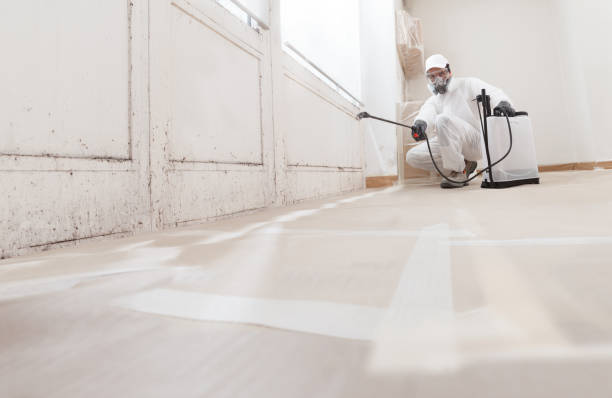
Water damage can develop into a much bigger property problem when it is not addressed quickly. A leaking pipe, appliance failure, overflowing fixture, storm intrusion, or basement flood can leave water in places that are not always visible. For homeowners, taking action early can make the restoration process more manageable and help protect the property from secondary damage.
When homeowners need water damage restoration in Springfield, a fast and organized response is an important part of the recovery process. Professional restoration teams can identify affected areas, remove standing water, monitor moisture, and begin structural drying before the damage has more time to spread.
Force 1 Restoration Services provides professional restoration support for homeowners dealing with water-related emergencies throughout Springfield and surrounding communities. Understanding why response time matters can help homeowners make informed decisions when unexpected water damage occurs.
Why Speed Matters After Water Damage
Water does not remain limited to the area where it first appears. Depending on the materials involved, moisture can move through flooring, drywall, insulation, wood framing, and other parts of a home. What begins as a small visible leak can therefore become a more extensive moisture problem.
For homeowners considering water damage restoration in Springfield, the first priority is to stop the source of water when it is safe to do so and arrange professional assistance. A timely response allows restoration professionals to assess the affected areas before moisture has more opportunity to spread.
Water Can Spread Beyond the Visible Area
Standing water is often easy to identify, but hidden moisture can be more difficult to recognize. Water may move underneath flooring or become trapped behind walls and cabinets. Without appropriate inspection and drying, these areas may remain damp even after visible water has been removed.
Professional restoration can include moisture detection and monitoring to help identify areas that require additional attention. This is one reason a quick response is valuable, particularly when the source of the water is unclear.
Early Action Helps Limit Secondary Damage
The longer materials remain exposed to excess moisture, the greater the possibility of additional property damage. Wood may become weakened, drywall can deteriorate, flooring may warp, and damp environments can contribute to unwanted microbial growth.
A rapid response does not guarantee that every affected material can be saved, but it gives restoration professionals an earlier opportunity to evaluate the property and determine the appropriate course of action.
How Emergency Restoration Supports Faster Recovery
Emergency restoration is designed around responding to unexpected property damage as quickly as practical. For homeowners, this means moving from uncertainty to a structured restoration process.
Force 1 Restoration Services provides 24/7 emergency restoration support. Its water damage restoration services address common problems such as leaks, flooding, burst pipes, and other sources of unwanted water.
Step 1: Inspect and Assess the Damage
The restoration process begins with an assessment of the affected property. Professionals look at where the water originated, which areas are visibly affected, and where moisture may have traveled.
This assessment helps determine the appropriate restoration approach. It can also identify areas that may need closer monitoring during the drying process.
Step 2: Begin Water Extraction
Removing standing water is a major early step in the restoration process. Professional water extraction equipment can remove water more efficiently than household methods alone, especially when a large area is affected.
Prompt extraction helps reduce the amount of time materials remain saturated. It also allows the next stages of drying and cleaning to begin sooner.
Step 3: Focus on Structural Drying
Water removal is only part of the restoration process. Materials can retain moisture even when surfaces appear dry.
Structural drying uses professional drying equipment and moisture monitoring to help remove trapped moisture from affected areas. Proper drying can be especially important for flooring, walls, subfloors, insulation, and other structural components.
Step 4: Clean and Restore Affected Areas
Depending on the source and severity of the water, affected areas may require cleaning and sanitation before repairs begin. Restoration professionals evaluate the condition of materials and determine whether cleaning, drying, repair, or replacement is appropriate.
What Can Happen When Water Damage Is Delayed?
Waiting to address water damage can create additional challenges. Homeowners may assume that a small amount of water will dry naturally, but moisture can remain hidden in materials and enclosed spaces.
A delay can make the restoration process more complicated because professionals may have to address damage that has progressed beyond the original water intrusion.
Some potential concerns include:
Moisture remaining beneath flooring
Warped or deteriorated building materials
Damage to drywall and baseboards
Moisture trapped inside walls or insulation
Unpleasant odors
Conditions that can encourage mold growth
More extensive repair or reconstruction needs
These risks do not mean every delayed water incident will result in severe damage. The outcome depends on factors such as the amount of water, affected materials, indoor conditions, and how long the property remains exposed to moisture.
The key point is simple: early professional assessment gives homeowners more options.
Fast Water Extraction and Drying Can Improve Restoration Results
One of the biggest advantages of a rapid response is that water extraction and drying can begin sooner. These steps work together to reduce the amount of moisture remaining in the property.
Homeowners should understand that drying is not simply a matter of opening windows or placing a household fan near a wet area. Moisture may be present in locations that are not easily reached by ordinary household equipment.
Professional restoration teams use specialized equipment to address moisture in affected areas.
| Restoration Step | Purpose | Why Timing Matters |
|---|---|---|
| Inspection | Identifies affected areas and moisture conditions | Helps determine the right response |
| Water Extraction | Removes standing water | Reduces saturation time |
| Structural Drying | Removes trapped moisture | Helps protect building materials |
| Cleaning | Addresses affected surfaces | Supports a cleaner recovery process |
| Repairs | Restores damaged materials | Helps return the property to normal |
A coordinated approach can make the restoration process more efficient and help homeowners understand what is happening at each stage.
Common Situations That Require a Rapid Response
Water damage can originate from many different sources. Some incidents happen gradually, while others occur suddenly and require immediate attention.
Common examples include:
Burst or leaking pipes
Frozen pipes
Washing machine or appliance leaks
Water heater failures
Overflowing toilets or fixtures
Basement flooding
Storm-related water intrusion
Roof leaks
Plumbing failures
Accidental water releases
Some water emergencies may also involve contamination, particularly when sewage or other potentially unsafe sources are involved. In those situations, homeowners should avoid unnecessary contact with the affected water and seek professional assistance.
Force 1 Restoration Services also provides specialized services such as sewage backup cleaning and frozen burst pipe restoration as part of its broader restoration capabilities.
What Homeowners Should Do Before Help Arrives
Professional restoration should be arranged as soon as possible, but homeowners can take a few basic steps while waiting for assistance, provided they can do so safely.
First, identify and stop the water source if it is accessible and safe. If the damage involves electrical systems, avoid entering affected areas where electrical hazards may be present.
Homeowners can also:
Move valuable items away from affected areas when safe.
Keep children and pets away from standing water.
Avoid using electrical appliances around wet areas.
Take photographs of visible damage for documentation.
Avoid disturbing potentially contaminated water.
Contact a professional restoration company promptly.
The right response depends on the circumstances. Safety should always come before cleanup efforts.
Why Professional Experience Matters in Water Damage Restoration
Water damage restoration involves more than removing visible water. A thorough restoration process requires assessment, extraction, drying, cleaning, monitoring, and potentially repairs.
Homeowners can review Force 1 Restoration Services’ experience and approach to learn more about the company’s restoration background and service philosophy.
Professional restoration teams also understand that every property is different. A finished basement, hardwood floor, carpeted room, or wall with insulation may respond differently to water exposure. The appropriate restoration method therefore depends on the materials, source of water, extent of moisture, and condition of the property.
For homeowners searching for water damage restoration in Springfield, choosing a qualified restoration provider can help ensure that the response is organized around both immediate cleanup and long-term property protection.
How Fast Response Improves the Overall Restoration Process
The value of speed is not simply about arriving quickly. It is about starting the right steps at the right time.
A prompt response can help restoration professionals:
Identify the source and extent of the water intrusion.
Remove standing water sooner.
Locate moisture that may not be visible.
Begin structural drying before materials remain saturated for longer periods.
Evaluate damaged materials before deciding what can be restored.
Address cleaning and sanitation needs.
Identify areas that may require repair or reconstruction.
Give homeowners a clearer understanding of the recovery process.
This structured approach can reduce uncertainty for homeowners during an already stressful situation.
Force 1 Restoration Services serves Springfield and surrounding Western Massachusetts communities with emergency restoration support. The company emphasizes prompt response, trained crews, professional equipment, and a complete approach to property restoration.
Protect Your Home With a Timely Restoration Response
Water damage can change quickly, but homeowners do not have to face the situation without professional support. Acting promptly gives restoration professionals an opportunity to identify moisture, remove standing water, begin structural drying, and address affected areas before additional problems develop.
For homeowners who need water damage restoration in Springfield, Force 1 Restoration Services provides a professional approach focused on emergency response, water extraction, drying, cleaning, and restoration. The sooner the right steps begin, the clearer the path toward recovery can become.
If your property has experienced a leak, flood, burst pipe, or another water emergency, do not allow the damage to sit untreated. Contact Us at Force 1 Restoration Services to discuss your restoration needs and take the next step toward a clean, dry, and restored home.