A fire can be one of the most devastating events a property owner experiences. Beyond the visible destruction caused by flames, fires often leave behind smoke residue, soot contamination, water damage from firefighting efforts, and structural concerns that may not be immediately apparent. Recovering from these challenges requires more than simple cleaning or repairs.
At Force 1 Restoration, we understand the complex nature of fire recovery in Springfield, MA. Professional fire damage restoration services help property owners address immediate hazards, restore damaged areas, and prevent long-term issues that can affect both safety and property value. From cleanup services to structural repair, restoration professionals play a vital role in helping buildings recover after a fire.
This guide explores why professional restoration is essential and how expert intervention helps protect homes and businesses following fire-related damage.
Understanding the Full Impact of Fire Damage
Before discussing restoration methods, it is important to recognize that fire damage extends far beyond burned materials.
The effects of a fire can spread throughout a property, impacting areas that flames never directly touched.
Fire Damage Goes Beyond Visible Destruction
Many property owners focus on charred materials immediately after a fire. However, smoke, soot, and moisture often cause extensive hidden damage.
Common consequences include:
Structural weakening
Smoke contamination
Soot accumulation
Water intrusion
Persistent odors
These issues can continue affecting the property long after the fire has been extinguished.
A comprehensive restoration strategy addresses both visible and hidden damage.
Secondary Damage Can Develop Quickly
The longer fire-related damage remains untreated, the greater the likelihood of additional problems.
Potential secondary issues include:
Corrosion of metal surfaces
Staining of walls and ceilings
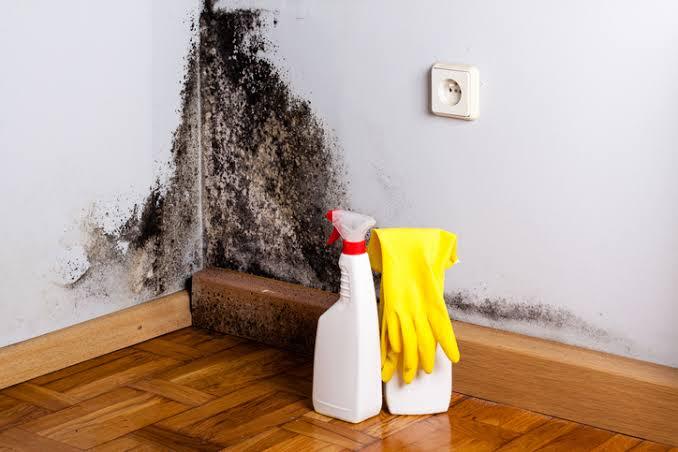
Mold growth from excess moisture
Air quality concerns
Material deterioration
Prompt restoration helps minimize these risks and supports a safer recovery process.
Why Fire Damage Restoration Services Are Critical
Professional restoration involves a systematic approach designed to return a property to a safe and functional condition.
The following sections explain why fire damage restoration services are such an important part of the recovery process.
Rapid Damage Assessment
Every restoration project begins with a thorough inspection.
Restoration experts evaluate:
Structural conditions
Smoke penetration
Soot contamination
Water damage
Safety hazards
This assessment helps determine the scope of work and establish a clear restoration plan.
Accurate evaluations are essential for identifying both immediate and long-term concerns.
Specialized Cleanup Services
Fire residues require specialized cleanup techniques.
Unlike ordinary dirt or dust, soot particles can spread easily and damage surfaces if handled improperly.
Professional cleanup services help remove:
Smoke residue
Soot deposits
Debris
Damaged materials
Contaminants
These efforts improve both cleanliness and safety throughout the property.
Supporting Property Recovery
Restoration professionals coordinate multiple recovery phases to ensure all affected areas receive proper attention.
This organized approach helps property owners navigate a complex situation while reducing the risk of overlooked damage.
The Fire Damage Restoration Process
Understanding the restoration process helps property owners know what to expect after a fire.
Each phase contributes to restoring safety, functionality, and structural integrity.
Initial Property Evaluation
The first step involves a comprehensive inspection of all affected areas.
Professionals assess:
Burn severity
Structural stability
Smoke migration
Water damage
Safety concerns
This evaluation guides decision-making throughout the project.
Detailed assessments ensure that restoration efforts address every aspect of the damage.
Debris Removal and Cleanup
Damaged materials must often be removed before repairs can begin.
This stage may include:
Removing debris
Clearing damaged contents
Cleaning affected surfaces
Preparing work areas
Effective cleanup creates a safer environment and allows restoration work to proceed efficiently.
Restoration and Repairs
Once cleanup is complete, restoration activities begin.
Depending on the extent of the damage, this phase may involve:
Structural repair
Material replacement
Surface restoration
Finishing work
The objective is to restore both appearance and functionality while maintaining safety standards.
Structural Repair After Fire Damage
One of the most important aspects of restoration involves evaluating and repairing structural components.
Fire exposure can compromise the strength of various building materials.
How Fire Affects Structural Integrity
High temperatures can weaken construction materials even when damage is not immediately visible.
Affected components may include:
Wood framing
Floor systems
Roof structures
Support beams
Interior walls
Professional inspections help determine whether repairs or replacements are necessary.
Structural repair ensures the building remains safe for occupants.
Identifying Hidden Structural Damage
Some fire-related damage remains concealed behind walls, ceilings, or flooring.
Without professional evaluation, these issues may go unnoticed.
Examples include:
Heat-damaged framing
Weakened connections
Hidden charring
Compromised support systems
Thorough inspections help uncover problems before they become larger concerns.
Restoring Long-Term Stability
The goal of structural repair is not only to address current damage but also to preserve long-term building performance.
Professionals use proven methods to restore strength and stability while complying with applicable building requirements.
Smoke and Soot Cleanup Challenges
Smoke and soot often create some of the most persistent restoration challenges following a fire.
Their effects can spread far beyond the area where the fire originated.
Understanding Smoke Damage
Smoke particles travel throughout a structure and settle on surfaces.
Affected areas may include:
Walls
Ceilings
Flooring
Furniture
HVAC systems
Without proper cleanup, smoke residue can continue causing discoloration and odor issues.
Why Soot Requires Specialized Treatment
Soot is highly acidic and can damage materials if not removed properly.
Potential effects include:
Surface staining
Material degradation
Corrosion
Air quality concerns
Professional cleanup services use specialized techniques designed to remove soot safely and effectively.
Eliminating Lingering Odors
Smoke odors often persist long after visible damage has been addressed.
Restoration experts use advanced odor removal methods to improve indoor environments and help restore occupant comfort.
Comparing Common Fire Damage Concerns
The table below highlights several common fire-related issues and their potential impact on a property.
Fire Damage Issue | Potential Impact | Restoration Focus |
|---|---|---|
Structural Damage | Safety concerns | Structural repair |
Smoke Residue | Surface contamination | Cleanup services |
Soot Accumulation | Material deterioration | Specialized cleaning |
Water Damage | Moisture-related issues | Drying and mitigation |
Odor Problems | Reduced indoor comfort | Odor removal |
Hidden Damage | Long-term risks | Comprehensive inspection |
This comparison demonstrates why professional restoration involves multiple specialized services.
Water Damage Often Accompanies Fire Damage
Many property owners are surprised to learn that water damage frequently becomes part of the restoration process.
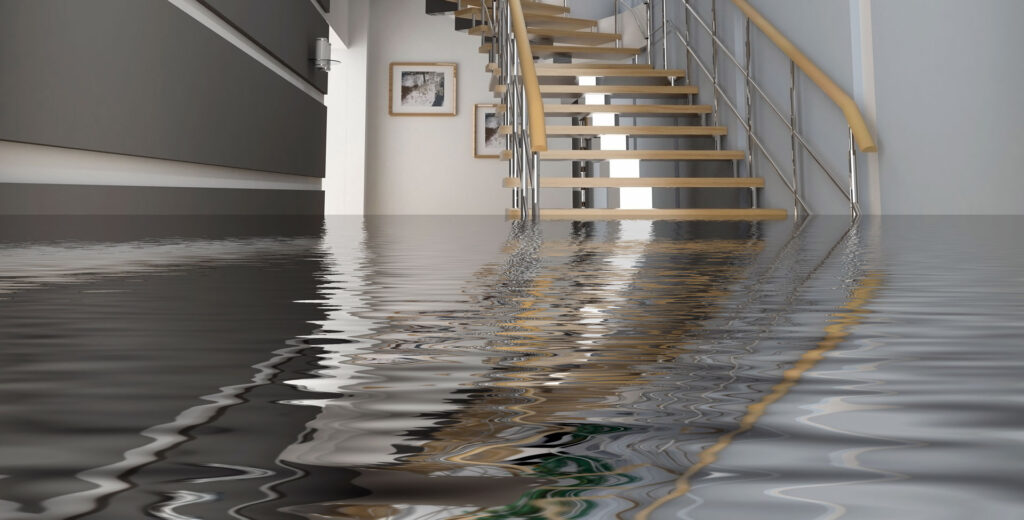
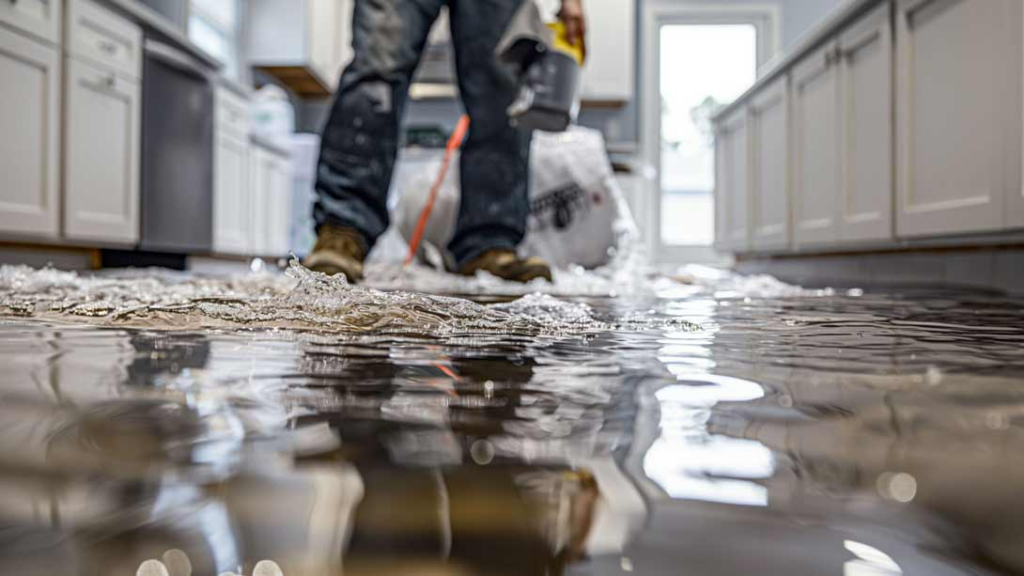
Fire suppression efforts often introduce large amounts of moisture into the building.
Firefighting Water Can Cause Additional Problems
Water used during firefighting operations may saturate:
Flooring
Drywall
Insulation
Structural materials
If not addressed promptly, moisture can create additional restoration challenges.
The Importance of Drying and Moisture Control
Professional restoration teams implement drying procedures to reduce moisture levels throughout the property.
This helps prevent:
Mold growth
Material deterioration
Structural weakening
Comprehensive moisture management supports successful long-term recovery.
Coordinating Fire and Water Restoration
Many property owners who require water damage restoration services also need fire-related restoration following firefighting efforts.
Addressing both forms of damage together helps streamline the recovery process.
Additional Recovery Services That Support Restoration
Fire damage recovery often involves more than repairing burned materials.
Additional services help restore the property completely.
Storm and Emergency Damage Recovery
Properties affected by severe weather may experience multiple types of damage simultaneously.
Homeowners seeking storm damage restoration services sometimes encounter fire-related issues caused by electrical failures or lightning strikes.
Coordinated restoration helps address all affected systems efficiently.
Content Cleaning and Salvage
Not all damaged belongings require replacement.
Restoration experts evaluate personal property and determine which items may be recoverable through specialized cleaning techniques.
Preventative Recommendations
Following restoration, professionals often recommend measures that help reduce future risks, including:
Fire safety upgrades
Smoke detection improvements
Electrical inspections
Maintenance planning
These steps contribute to ongoing property protection.
Signs You Need Professional Restoration Experts
After a fire, some damage may not be immediately obvious.
Knowing what to watch for can help property owners make informed decisions about restoration.
Visible Structural Concerns
Look for signs such as:
Cracked materials
Warped framing
Sagging ceilings
Damaged support components
These indicators often require professional evaluation.
Persistent Smoke Odors
Lingering odors may indicate hidden contamination that has not been fully addressed.
Professional restoration experts have the equipment and techniques needed to locate and remove odor sources.
Discoloration and Residue
Dark staining, soot deposits, and smoke discoloration frequently indicate areas requiring specialized cleanup services.
Addressing these issues promptly helps prevent further material damage.
Conclusion
Recovering from a fire involves much more than replacing damaged materials. Professional fire damage restoration services help address structural repair needs, remove smoke and soot contamination, manage moisture-related concerns, and restore the safety and functionality of affected properties. By relying on experienced restoration experts, property owners can reduce long-term risks and support a more complete recovery.
At Force 1 Restoration, we understand the challenges homeowners and businesses face after fire-related damage in Springfield, MA. Through comprehensive cleanup services and professional restoration solutions, damaged properties can move toward recovery with greater confidence and long-term protection.
Contact Us
If you would like more information about fire damage recovery and restoration solutions, visit our Contact Us page to connect with our team.
Frequently Asked Questions
What do fire damage restoration services include?
Fire damage restoration services typically include inspection, debris removal, cleanup services, smoke and soot removal, structural repair, and restoration activities.
Why is professional fire restoration important?
Professional restoration helps identify hidden damage, improve safety, and restore affected areas using specialized equipment and techniques.
How soon should restoration begin after a fire?
Restoration should begin as soon as it is safe to enter the property. Early action helps reduce secondary damage and improve recovery outcomes.
Can smoke damage affect areas far from the fire?
Yes. Smoke particles can travel throughout a structure and affect rooms that were not directly exposed to flames.
Do fire damage restoration services address water damage too?
Many restoration projects include moisture removal and drying because firefighting efforts often introduce significant amounts of water into the property.