Spray foam insulation is commonly used in residential properties to improve energy efficiency, reduce air leakage, and maintain comfortable indoor temperatures. However, insulation does not eliminate every moisture problem. When water enters a wall cavity, roof assembly, or other enclosed space, it can become difficult to detect, particularly when spray foam covers the affected materials.
For homeowners, hidden moisture deserves attention because prolonged dampness can create conditions that support mold growth. A plumbing leak, roof defect, condensation, or previous water damage may affect building materials behind the insulation without producing obvious surface signs. In these situations, identifying the source of moisture is just as important as addressing the visible damage.
Force 1 Restoration Services provides mold removal and remediation services for properties in Springfield, MA, and surrounding Western Massachusetts communities. Understanding how moisture behaves around insulated areas can help homeowners recognize potential problems and determine when professional assessment is appropriate.
Why Spray Foam Insulation Can Create Challenges When Moisture Is Present
Spray foam insulation is applied to surfaces such as roof decks, wall cavities, and other building components. Depending on the product and installation, it can help seal gaps, limit air movement, and improve thermal performance.
However, spray foam is not a substitute for proper waterproofing, plumbing maintenance, roof repairs, or moisture management. If water enters an insulated cavity, the surrounding materials may remain damp.
The extent of the risk depends on several factors:
The type and thickness of the spray foam.
Whether the insulation was installed correctly.
The condition of the roof, walls, and plumbing.
The presence of existing moisture before installation.
The building’s ventilation and humidity conditions.
Some spray foam systems can make it more difficult to visually inspect the materials behind them. This means homeowners may not notice moisture damage until other warning signs appear.
How Mold Develops Behind Spray Foam Insulation
Mold requires moisture and a suitable surface to grow. Building materials such as wood, drywall, paper-faced products, and dust deposits can provide suitable conditions when they remain damp.
Spray foam itself does not automatically cause mold. However, moisture trapped or concealed within an improperly managed building assembly can contribute to mold development on nearby materials.
1. Existing Moisture Before Insulation Installation
Installing insulation over materials that are already wet can create problems. If the underlying wood or other building components have not dried properly, moisture may remain inside the assembly.
Over time, these conditions can contribute to mold growth, particularly when the moisture source is not corrected.
Before insulation installation or replacement, homeowners should ensure that existing leaks and damp materials are properly addressed.
2. Roof Leaks and Water Intrusion
A damaged roof, loose flashing, or deteriorated roofing material can allow water to enter the attic or roof assembly.
When spray foam is applied directly to roof decking, certain areas may become difficult to inspect from inside the attic. A small leak can therefore remain unnoticed until water staining, odors, or material deterioration becomes apparent.
Regular roof inspections and prompt repairs help reduce this risk.
3. Plumbing Leaks Inside Walls
Pipes located inside insulated walls can develop leaks because of corrosion, loose connections, or damaged fittings.
Since the plumbing is concealed, homeowners may not immediately recognize that water is entering the wall cavity. Moisture can affect wooden framing, sheathing, and nearby materials.
A professional assessment may be needed when persistent odors or unexplained wall damage appear near plumbing locations.
4. Condensation and Ventilation Problems
Temperature differences and inadequate moisture management can contribute to condensation within certain building assemblies.
The risk depends on climate, indoor humidity, insulation type, installation details, and the location of vapor-control layers.
Bathrooms, kitchens, attics, and other areas with higher humidity deserve particular attention. Proper ventilation and suitable building design help manage indoor moisture.
Warning Signs of Mold Behind Spray Foam Insulation
Because spray foam can cover underlying building materials, homeowners may need to look for indirect signs of a problem. The following indicators do not automatically confirm mold, but they may justify further investigation.
1. Persistent Musty Odors
An earthy or musty smell in an attic, basement, bedroom, or enclosed space may indicate persistent dampness or possible mold growth.
Pay attention when:
The odor remains after routine cleaning.
A particular room consistently smells damp.
The smell becomes noticeable after rainfall.
Odors appear near insulated walls or ceilings.
A persistent smell should not be covered with air fresheners without investigating its possible source.
2. Water Stains and Surface Discoloration
Yellowish or brown stains on ceilings and walls can indicate previous or ongoing water intrusion.
Homeowners should look for:
Discoloration around ceiling edges.
Water marks near roof intersections.
Stains around plumbing fixtures.
Damp patches on walls.
Peeling paint or bubbling surfaces.
Although these signs are not proof of mold, they can indicate moisture damage that may affect concealed building materials.
3. Soft or Deteriorating Building Materials
Wood framing, drywall, and other materials can deteriorate after prolonged moisture exposure.
If a wall or ceiling becomes unusually soft, warped, or damaged, there may be an underlying water problem. Homeowners should avoid cutting into insulated assemblies themselves because hidden utilities, building materials, and potential contamination may be present.
4. Recurring Moisture Problems
Repeated leaks, condensation, or dampness in the same location suggest that the underlying issue may not have been resolved.
For example, repairing a visible ceiling stain without fixing the roof leak may allow moisture to continue entering the building.
Identifying the moisture source is essential before planning a mold removal service.
5. Problems After Previous Water Damage
Homes that have experienced flooding, plumbing failures, roof leaks, or storm damage may require additional attention.
If wet materials were enclosed before being properly assessed and dried, concealed moisture may remain.
A professional evaluation can help determine whether insulation and nearby materials have been affected.
Why Mold Behind Spray Foam Insulation Is Difficult to Identify
One of the main challenges with insulation mold is limited visibility. Unlike mold growing on an exposed bathroom wall, contamination behind insulation may not be immediately accessible.
Spray foam can cover roof decking, wall framing, and other surfaces that would otherwise be easier to inspect.
Several challenges can make identification more complicated:
| Challenge | Why It Matters |
|---|---|
| Concealed building materials | Mold may develop on surfaces hidden behind insulation. |
| Limited visual access | Homeowners cannot easily inspect the entire cavity. |
| Unidentified water sources | Small leaks may continue affecting enclosed materials. |
| Existing insulation coverage | Removing or disturbing foam may be necessary for access in some cases. |
| Multiple moisture sources | Roof leaks, plumbing problems, and condensation may overlap. |
A professional mold inspection can help identify suspicious areas, assess moisture conditions, and determine whether further investigation is needed.
It is important to understand that no single inspection method can identify every hidden mold problem. The appropriate assessment depends on the building’s construction and the suspected source of moisture.
Why Professional Mold Removal and Safe Restoration Matter
When mold is suspected behind spray foam insulation, simply removing visible material may not address the entire problem.
A professional mold removal service considers the affected materials, the extent of moisture damage, and the conditions that contributed to mold development.
Professional assistance may be particularly useful when:
Mold is suspected inside enclosed wall or roof cavities.
Water damage has affected insulation and framing.
Musty odors persist without an obvious source.
Previous cleanup has not resolved the problem.
The affected area requires controlled removal of building materials.
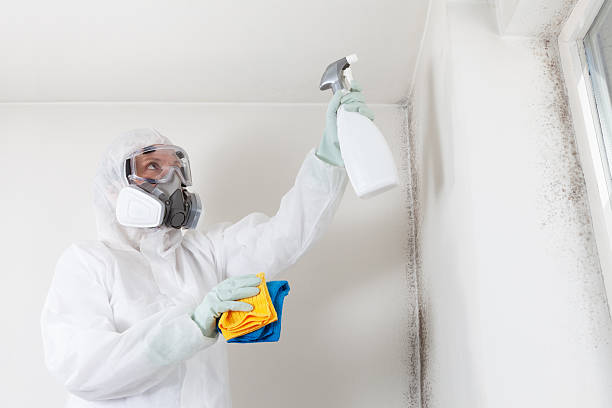
Force 1 Restoration Services provides mold removal and remediation services that include evaluating affected areas, identifying moisture-related concerns, and using appropriate containment and cleanup procedures.
What to Expect During Professional Mold Remediation
The exact process depends on the affected area, the type of insulation, and the extent of contamination. However, a professional mold remediation service generally involves several important stages.
1. Initial Property Assessment
The restoration team evaluates visible damage, moisture conditions, and areas where hidden mold may be suspected.
The assessment helps determine whether additional inspection or access to concealed building materials is necessary.
2. Identifying the Moisture Source
Before cleanup can be considered complete, the underlying moisture problem needs attention.
Potential sources include:
Roof leaks and damaged flashing.
Plumbing failures.
Condensation inside building assemblies.
Water intrusion around windows and foundations.
Inadequate ventilation.
Correcting the source helps reduce the possibility of recurring mold growth.
3. Containment and Safe Material Removal
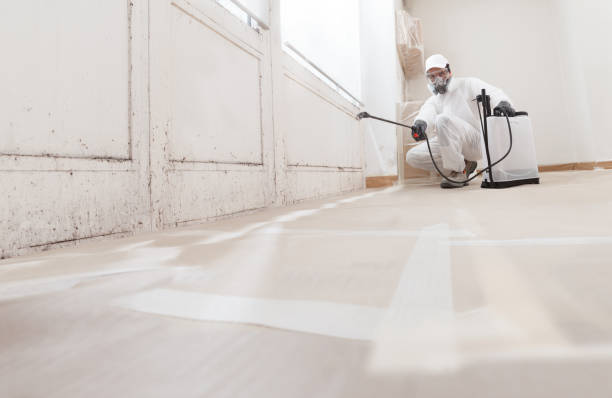
When contaminated areas require disturbance, appropriate containment procedures may be used to reduce the spread of airborne particles into unaffected rooms.
Depending on the condition of the materials, affected insulation, drywall, or other building components may need to be removed.
Spray foam should not automatically be removed from every property with a moisture concern. The decision depends on its condition, accessibility, and whether the affected area can be properly assessed and remediated.
4. Cleaning and Moisture Management
Affected surfaces and materials are addressed using appropriate cleaning or removal methods.
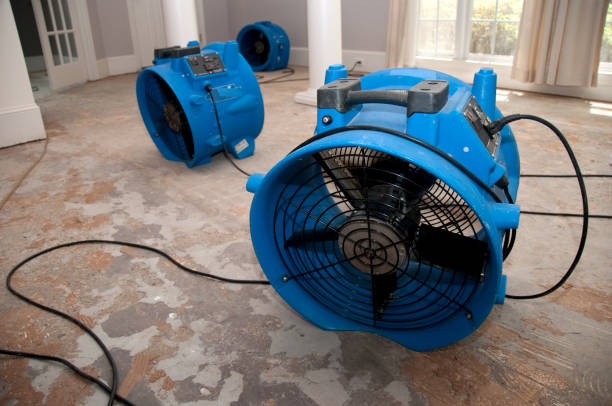
Professional equipment, including air filtration devices and moisture detection tools, may be used depending on the remediation requirements.
The goal is to address contamination and ensure that moisture conditions are properly managed.
5. Restoration and Follow-Up Assessment
Once remediation work is completed, necessary repairs and material replacements can be planned.
This may include replacing damaged insulation, drywall, or other building components after the moisture source has been corrected.
Force 1 Restoration Services also provides property reconstruction services for damage involving materials such as drywall, flooring, framing, and insulation. More information is available through its reconstruction services.
How Homeowners Can Reduce the Risk of Insulation Mold
Preventing moisture problems is an important part of maintaining an insulated property.
Homeowners can take several practical steps:
Schedule regular roof inspections and address damaged roofing materials.
Repair plumbing leaks as soon as they are discovered.
Keep bathroom and kitchen ventilation systems functioning properly.
Monitor indoor humidity and address persistent condensation.
Investigate unusual odors in attics, basements, and enclosed rooms.
Address water damage before installing or replacing insulation.
Check previously affected areas after heavy rainfall or plumbing repairs.
Use qualified professionals for insulation installation and building repairs.
These practices do not guarantee that mold will never develop, but they help reduce the conditions that allow moisture-related problems to continue.
Conclusion
Spray foam insulation can improve a home’s energy efficiency, but it does not eliminate the possibility of hidden moisture or mold. Roof leaks, plumbing failures, condensation, and improperly managed building assemblies can create conditions that affect materials behind insulation.
Recognizing musty odors, water stains, recurring dampness, and deterioration around insulated areas can help homeowners identify potential problems earlier. When mold is suspected, a professional assessment can determine whether insulation or surrounding building materials require further investigation, removal, or restoration.
For homeowners in Springfield, MA, and surrounding Western Massachusetts communities, Force 1 Restoration Services provides mold removal, remediation, and reconstruction support for properties affected by mold and moisture damage. If you suspect mold behind your insulation, Contact Us to discuss your property concerns and learn about the available restoration services.