When it’s early spring in Springfield, Massachusetts, the ground is often still thawing while heavy rains begin to push moisture back into homes. We know that what’s happening behind the scenes, like inside walls or under floors, can be easy to miss during this shift in seasons. Water doesn’t always leave a puddle in the middle of the living room. Sometimes, it leaks silently inside your walls or soaks into the structure beneath your flooring.
This hidden damage can spread without making a big scene. It’s not just about drying out. It’s about catching the signs before they turn into bigger issues. Understanding what to look for and when to act is where water damage restoration really matters.
Warning Signs You Can See, Hear, or Smell
Water doesn’t need to be visible to start causing trouble. Still, there are often small clues that can point to a bigger problem. During the wetter spring months, especially in older New England homes, things can get damp fast.
Look for these signs around walls, ceilings, and floors:
- Paint that starts peeling or bubbling without a clear reason
- Drywall that feels soft, warped, or shows discolored spots
- Floors that look uneven or start to buckle nearby baseboards
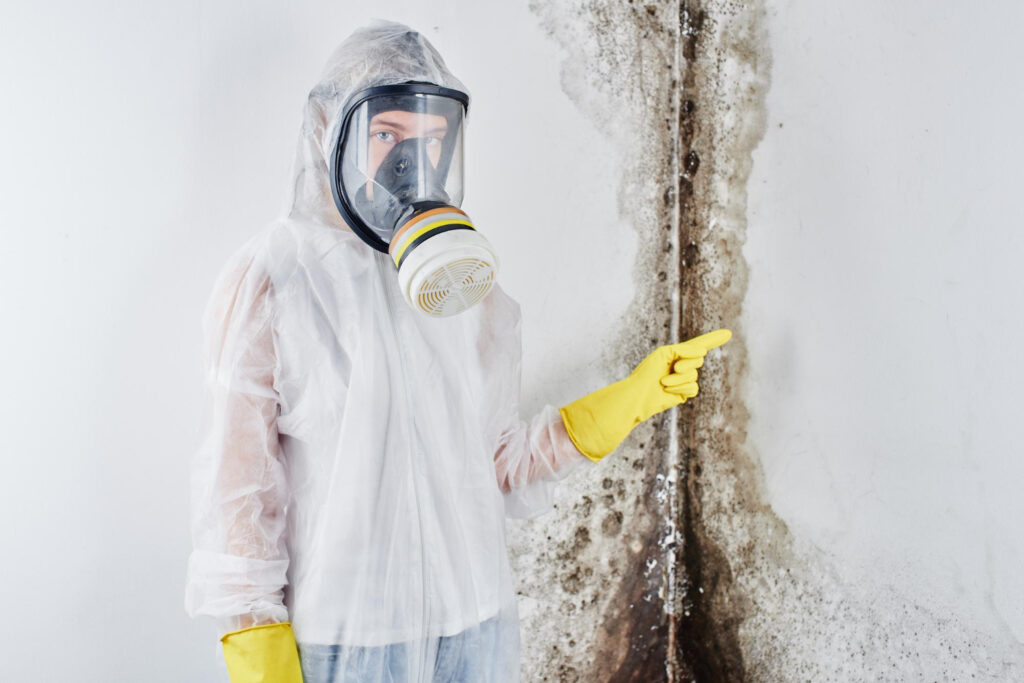
You might also hear odd sounds in spots where there shouldn’t be any. These could be faint drips or creaks that seem to come from inside the wall. Even if they’re irregular, don’t let them slide. Then there’s the smell. A room that smells musty or damp isn’t just stuffy. It’s possibly filled with mold starting to grow inside hard-to-reach places. Air fresheners won’t fix it. That smell is a real warning sign.
Clues That Point to Hidden Water Damage
Even if nothing looks different, that doesn’t mean water isn’t hiding nearby. Sometimes the damage shows up in other ways that might be easier to ignore.
These red flags deserve attention:
- Heating or water bills that start climbing but your usage hasn’t changed
- Cold or damp patches on walls or floors that weren’t there last month
- Floor areas that feel spongey or slightly lower, acting or sounding different when walked on
In many cases, we’ve seen people overlook these subtle signs, thinking it was a small draft or that their flooring is just getting old. But these quiet shifts can often be the first hint that something’s wrong deeper inside your home.
Why Do These Moisture Problems Happen?
In our part of Massachusetts, spring doesn’t just bring flowers. It brings a lot of melting. Snow and ice that have built up over the winter suddenly rush down off roofs, often overwhelming gutters and drains. That water goes somewhere, and sometimes it ends up inside.
Here are common causes that lead to hidden moisture:
- Roofs leaking from snow damage or missing shingles
- Dishwashers, washing machines, or hot water heaters breaking down quietly
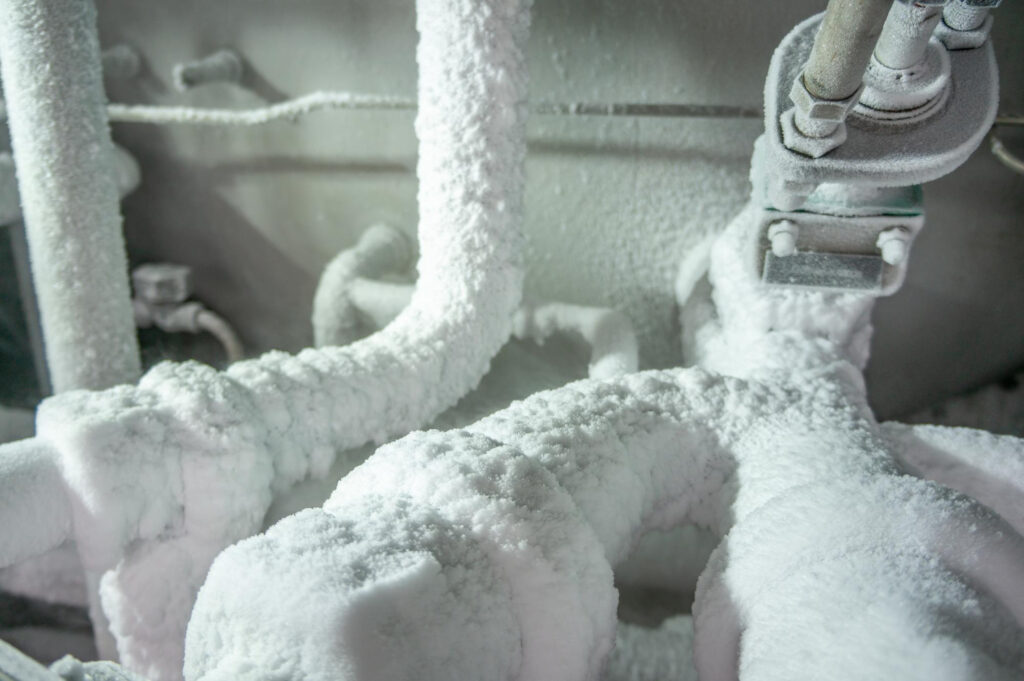
- Pipes cracking during freeze-thaw cycles and dripping behind the walls
- Overflowing drainage or sump pumps after heavy rains
In homes with basements, storm runoff often pushes water through weak foundation areas, especially after days of steady rain. These conditions make moisture a common spring issue around Springfield.
Why Professional Help Matters for Hidden Water Damage
It might be tempting to wait it out, especially if you can’t see the problem. But with hidden water trouble, it’s what you don’t see that causes the most harm. That’s where proper water damage restoration becomes more than a fix. It becomes protection.
We use tools that go beyond what the eye can catch. Things like thermal cameras or moisture meters let us know where water is hiding, even if the wall looks fine. These tools let us skip the guesswork and get straight to the issue. It isn’t just about drying things out. True restoration means finding the leak, fixing the damage, and drying everything fully so it doesn’t come back.
When your insurance offers to assign someone, you might end up with a company that comes in without knowing the area or your concerns. Choosing your own restoration expert gives you more control and more peace of mind. It means communication on your terms and working with someone who’s part of your local community.
What Happens If You Wait Too Long
Letting hidden water damage sit for too long doesn’t just leave a wet wall. It becomes something bigger and harder to fix. That small leak behind your washing machine could lead to rotting studs. Under your floors, dampness can weaken beams or cause mold to grow up into your walls.
Problems like these don’t take a break. The longer water sits unseen, the more it eats away at your home. You may also run into insurance headaches, especially if delays make things worse.
Getting ahead of it matters. A quick response makes for easier cleanup, safer air, and fewer repairs down the road.
Know What’s Lurking and Take Action Early
By the time water damage has soaked through your floors or dripped inside your walls, it’s already done serious harm. That’s why paying attention to the small stuff, sounds, smells, changes in how things feel, isn’t overreacting. It’s staying one step ahead.
Spring in Western Massachusetts comes with rain, thawing snow, and new risks every year. Knowing what to watch for and making an active choice can protect the structure of your home and the safety of those inside. Just because you can’t see it doesn’t mean it’s not there. Keep your eyes open, trust what your home is telling you, and act before the quiet signs become loud problems.
Noticing signs of water lurking behind your walls or underfoot doesn’t mean you have to wait for bigger problems to emerge. Early indicators may reveal hidden water that could lead to more damage, so it’s best to get a clear assessment before the issue spreads. We help homeowners across Springfield, Massachusetts, determine what’s happening and decide on the next steps. For details on how our team handles full-service water damage restoration, give Force 1 Restoration Services MA a call today.