After a fire, most people feel overwhelmed. Smoke, water damage, ash, and the smell of burnt materials can all pile up before you even know what needs to happen next. That first step, the fire damage assessment, plays a big role in how everything else unfolds.
A fast response matters, not just because it helps calm the chaos, but because it directly impacts how much damage you can stop from getting worse. When we talk about fire damage restoration in Springfield, the timing of that first look really makes a difference. As an IICRC-certified restoration company based in Springfield, MA, we provide 24/7 emergency fire damage response for homes and businesses throughout Hampden County. The damage you see on day one might double by day three if it is not handled quickly. Here is why acting fast is more than just a good idea. It is necessary.
What Happens During a Fire Damage Assessment
The first step after a fire is figuring out what is damaged and what can be saved. That means more than just a walk around the house. A proper inspection gets under the surface where damage hides.
Here is what usually takes place during an assessment:
- We check every room for smoke, heat, and soot damage, including behind walls and under floors.
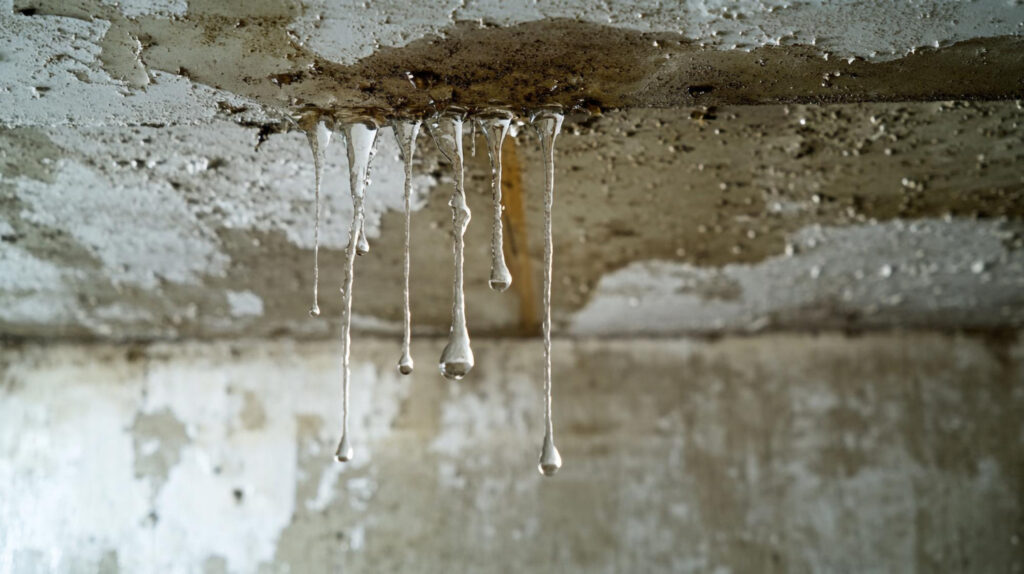
- We look for signs of water damage from fire hoses or sprinkler systems, especially in ceilings, insulation, or tucked-away corners.
- We evaluate what structural materials, furniture, and surfaces may still be safe to use, and which ones pose a risk if left in place.
Once the assessment is done, repairs can be planned with real information. Without this step, there is a lot more guessing, which often leads to surprises and not the good kind.
Why Waiting Can Make Repairs Worse
Time is not your friend after a fire. The damage does not stop once the flames are out. In fact, some of the worst damage happens in the days that follow.
Here is why waiting can cause bigger problems:
- Soot and smoke leave behind sticky, acidic residue that eats into walls, cabinets, and flooring.
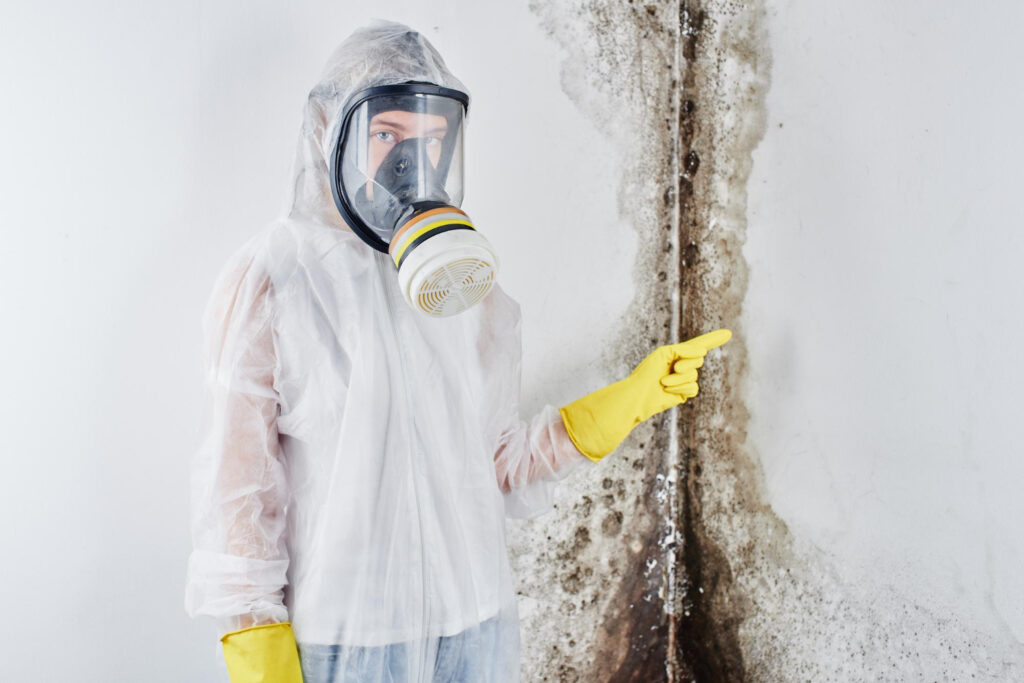
- Water that is left behind soaks into walls or flooring and creates the perfect place for mold to grow, especially in cooler months when homes stay closed up.
- Materials that might have been restorable early on may end up needing full replacement if action is delayed.
Quick action means less rebuilding but also avoids long-term issues that might not show up until months later.
Insurance vs. Independent Restoration: Who Should You Call First?
Sometimes your insurance provider will recommend a contractor for repairs. That might sound helpful at first, especially when there is so much to deal with. But it is worth taking a step back before agreeing.
Choosing a restoration company yourself comes with advantages:
- You can pick someone you trust, not someone chosen by your insurer.
- Independent contractors work directly for you, which means their priorities line up with yours.
- When we step in early, we can begin work faster, reduce hold-ups from approvals, and help document damage clearly for your claim.
We also work directly with many homeowner insurance carriers to help document covered fire losses and streamline the claims process. You have the right to hire your own professionals. Taking that route helps keep control in your hands.
How Local Climate Impacts Fire Damage Follow-Up
Springfield, Massachusetts, in March can still feel like winter. Snowstorms may not be over yet, and melted snow can keep the ground around your home damp for weeks. These local weather patterns play a big role in fire follow-up.
Here is how the Springfield climate affects fire recovery:
- Materials that got wet during the fire may take longer to dry properly in cold, damp air.
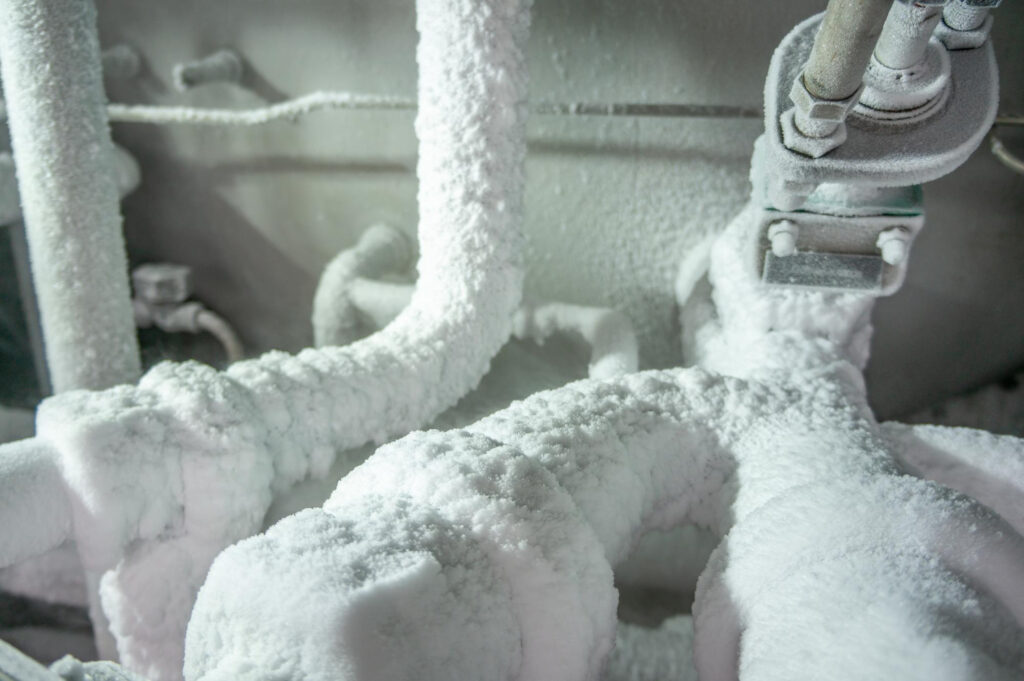
- Snowmelt and frozen pipes can cause added moisture problems that were not part of the original fire damage.
- Local crews understand these seasonal issues and come prepared with tools that work in cold-weather conditions.
Knowing how spring weather works locally helps us make smarter decisions during that first response.
Long-Term Benefits of Acting Quickly
Rushing never feels great, especially when emotions are high and decisions are hard. But with fire recovery, doing nothing for too long can create a snowball effect.
Fast assessments help in a few important ways:
- Work gets started sooner, so damage does not have time to grow.
- You and your family can get back into a repaired space faster, without unexpected delays.
- Insurance claims often move smoother and faster when the damage is documented right away.
It is about handling problems while they are still small. That saves time and stress later.
Do Not Let Time Add to the Damage
Fires are stressful events. Letting problems linger makes everything harder, longer, and more expensive. Getting that early assessment sets the tone for the rest of the recovery.
Taking action quickly is about making sure the damage does not shift from fixable to irreversible. Repairs depend on how soon you start, and every hour that passes means more risk.
Act Fast After a Fire to Avoid Bigger Repairs
Additional Insights on Immediate Response
Taking the extra time to document every detail during your initial inspection can provide peace of mind during the recovery process. A thorough review allows for smoother coordination of repair efforts and minimizes surprises later. This careful approach helps ensure that all areas of damage are addressed fully and accurately, providing a clearer roadmap for restoration and recovery.
If a fire has just turned your world upside down, the last thing you want is to lose more time or control during the cleanup. Acting early can limit long-term damage, and choosing who restores your home matters just as much. We believe every homeowner should have control over their own recovery timeline, and we are here to move fast when it counts. To see how we handle fire damage restoration in Springfield with experience and urgency, contact Force 1 Restoration Services MA today.