Mold growth can become a serious concern for homeowners and business owners when it appears inside a property. Whether caused by moisture problems, water damage, or poor ventilation, unwanted mold can affect indoor conditions and the overall safety of a building. Understanding the professional mold removal process helps property owners make informed decisions when dealing with contamination concerns. For residents and businesses in Springfield, MA, working with experienced professionals such as Force 1 Restoration can provide a structured approach to identifying, containing, and addressing mold-related issues.
A professional process involves more than simply removing visible growth. Specialists evaluate the affected areas, identify moisture sources, establish containment procedures, and use specialised methods to improve indoor conditions. By following proper steps, properties can be restored more effectively while reducing the chance of future problems.
Understanding Why Professional Mold Removal Is Important
Mold can develop quickly when moisture remains present inside a property. Small areas of growth may sometimes indicate a larger issue hidden behind walls, under flooring, or in areas with limited airflow. Professional assessment helps determine the extent of the problem and the appropriate response.
Mold removal focuses on safely addressing existing growth while identifying conditions that allowed it to develop. A complete solution often includes inspection, moisture control, containment, cleaning, and prevention strategies.
Common causes of indoor mold growth include:
-
Water leaks from plumbing systems
-
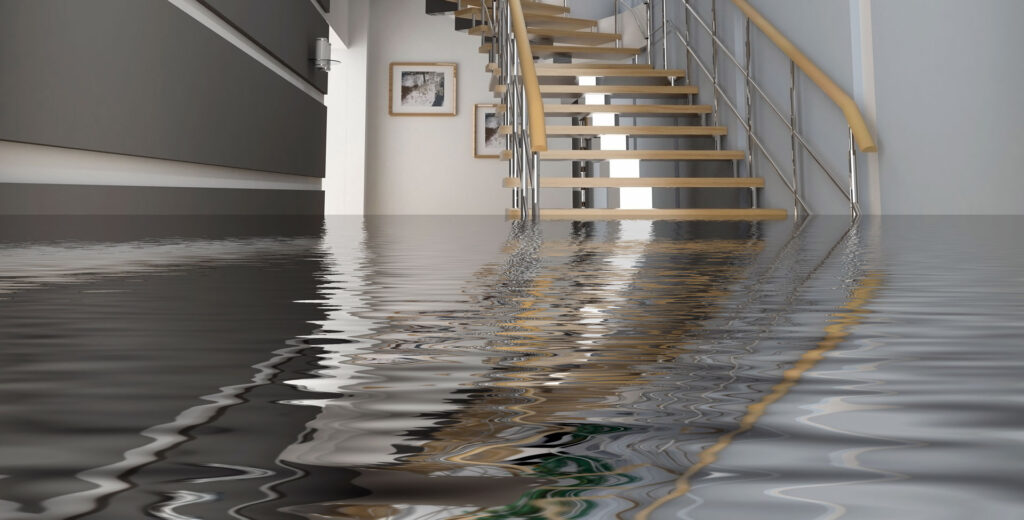
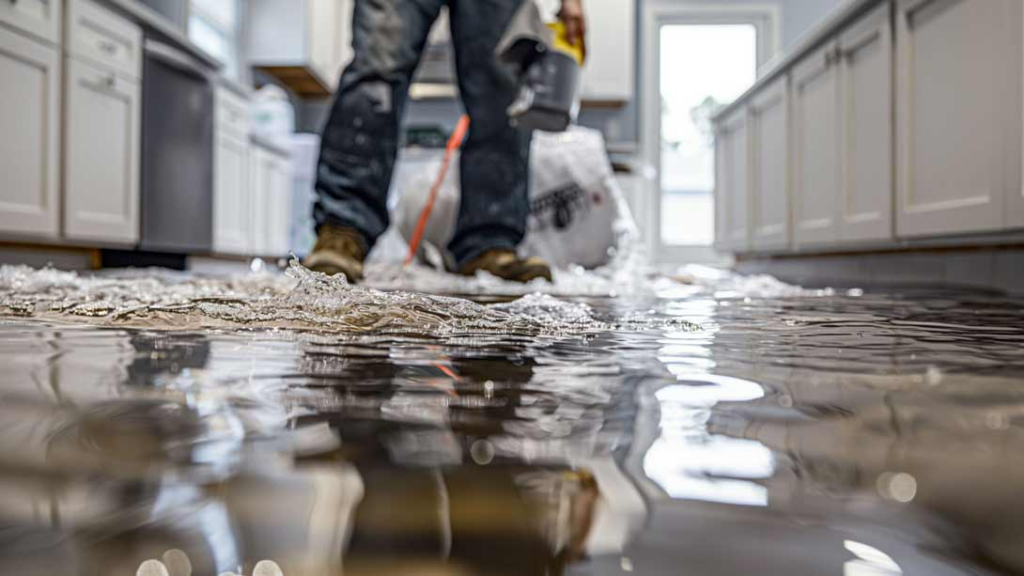
Flooding or storm-related water intrusion
-
High indoor humidity levels
-
Poor ventilation in certain areas
-
Previous water damage that was not fully dried
Homes and businesses in Springfield, MA may experience moisture challenges throughout the year due to seasonal weather changes. Addressing these concerns quickly can help prevent minor issues from becoming more extensive restoration projects.
Initial Inspection and Assessment Process
The first stage of professional restoration involves a detailed inspection of the property. Before any cleaning or removal begins, technicians need to understand where mold is located and what factors contributed to its development.
Identifying Affected Areas
During an inspection, professionals examine visible signs of mold and investigate areas where hidden growth may exist. This can include checking walls, ceilings, flooring materials, basements, crawl spaces, and areas near plumbing systems.
A thorough assessment may involve:
-
Visual examination of affected spaces
-
Moisture measurements
-
Identifying water sources
-
Evaluating ventilation conditions
-
Determining the size of the affected area
This information allows professionals to create an appropriate restoration plan based on the specific needs of the property.
Understanding the Extent of the Problem
Every mold situation is different. A small area caused by a recent leak may require a different approach compared with widespread growth following flooding or long-term moisture exposure.
Professionals consider factors such as:
-
Type of materials affected
-
Location of contamination
-
Amount of moisture present
-
Duration of the issue
-
Impact on surrounding areas
This step ensures the restoration process addresses the actual cause rather than only treating visible signs.
Creating a Safe Containment Strategy
Containment is one of the most important parts of professional mold treatment. Without proper controls, disturbed mold particles can spread into unaffected areas during the cleaning process.
Professionals use containment methods to isolate affected sections of a property while restoration work takes place.
How Containment Works
Containment typically involves creating barriers around impacted areas and controlling airflow between spaces. This helps prevent cross-contamination and keeps restoration activities organised.
Common containment practices include:
-
Separating affected rooms from clean areas
-
Using protective barriers
-
Controlling airflow movement
-
Establishing designated work zones
For both residential and commercial properties, containment helps protect unaffected areas while allowing technicians to focus on the source of the problem.
Why Containment Matters for Businesses
For commercial buildings, controlling the spread of mold is especially important because businesses need to consider employees, customers, and daily operations.
Professional containment allows restoration work to be carried out in a controlled manner while reducing unnecessary disruption. Offices, retail spaces, and other commercial properties can benefit from planned restoration strategies that consider both safety and operational needs.
The Role of Air Filtration During Restoration
Air quality management is another important component of professional mold treatment. When mold is disturbed during removal activities, particles may become airborne. Proper air filtration helps capture airborne particles and supports a cleaner restoration environment.
Advanced filtration equipment is commonly used during professional projects to improve air conditions within the work area.
How Air Filtration Equipment Supports the Process
Air filtration systems help by:
-
Capturing airborne particles
-
Supporting cleaner indoor conditions
-
Reducing the movement of contaminants
-
Improving the overall restoration environment
The use of filtration equipment works alongside containment procedures to create a more controlled restoration process.
Maintaining Better Indoor Conditions After Restoration
Once the affected materials are addressed, maintaining appropriate humidity levels and ventilation can help reduce the likelihood of future mold development.
Property owners can support healthier indoor conditions by:
-
Repairing leaks quickly
-
Improving ventilation
-
Monitoring humidity levels
-
Addressing moisture issues early
Prevention plays an important role after restoration because controlling moisture is key to limiting future growth.
Removing Affected Materials and Cleaning the Area
After inspection, containment, and preparation, restoration professionals begin addressing affected materials. The exact approach depends on the type of surface, level of contamination, and condition of the property.
Some materials can be cleaned and restored, while others may need replacement if they have sustained significant damage.
Cleaning and Restoration Methods
Professional cleaning approaches may include:
-
Removing contaminated materials when necessary
-
Cleaning affected surfaces
-
Treating remaining areas
-
Drying moisture-affected spaces
-
Restoring damaged sections
The goal is to address contamination thoroughly while preserving as much of the original property as possible.
Importance of Proper Equipment
Professional restoration teams use specialised tools designed for controlled cleaning and drying. These tools help technicians complete the process more efficiently while reducing the possibility of spreading contamination.
For Springfield, MA property owners, choosing a structured restoration approach can make a significant difference when dealing with moisture-related challenges.
Completing the Professional Mold Remediation Process
Once affected areas have been cleaned and treated, the restoration process moves towards final checks and property recovery. Professional teams focus on ensuring that affected spaces are properly addressed and that moisture conditions are controlled to reduce the risk of future concerns.
Mold remediation involves more than removing visible growth. It includes identifying the source of moisture, addressing contaminated areas, improving indoor conditions, and restoring the property to a suitable state.
Final Inspection and Quality Checks
After cleaning activities are completed, professionals review the treated areas to confirm that the planned restoration steps have been carried out properly.
The final stage may include:
-
Reviewing completed work areas
-
Checking moisture levels
-
Confirming affected materials have been addressed
-
Evaluating air quality conditions
-
Ensuring containment areas are removed safely
These checks help provide confidence that the restoration process has been completed according to professional standards.
Restoring Damaged Areas
Mold-related problems can sometimes affect building materials such as drywall, insulation, flooring, or ceiling materials. Once contamination has been addressed, restoration work may be needed to return the space to its original condition.
Restoration services may involve:
-
Repairing damaged surfaces
-
Replacing affected materials
-
Repainting restored areas
-
Improving ventilation solutions
-
Completing cosmetic repairs
A complete approach allows homeowners and businesses to move forward with a cleaner and more comfortable property environment.
Comparing Different Stages of Professional Mold Treatment
Understanding the different steps involved can help property owners know what to expect when arranging professional assistance.
|
Stage |
Purpose |
Common Actions |
|---|---|---|
|
Inspection |
Identify the source and extent of the issue |
Moisture checks, visual assessment, affected area evaluation |
|
Containment |
Prevent spread during restoration |
Isolation barriers, airflow control, work zone preparation |
|
Air Filtration |
Manage airborne particles |
Filtration equipment and controlled air movement |
|
Cleaning |
Address affected areas |
Surface cleaning, material treatment, removal when required |
|
Restoration |
Return property to normal condition |
Repairs, replacements, and final improvements |
Each stage plays an important role in creating a thorough restoration process rather than focusing only on visible mold.
Benefits of Choosing Professional Mold Remediation Services
Many property owners consider handling mold concerns independently, especially when the affected area appears small. However, professional restoration provides a more detailed approach by addressing both visible issues and the underlying causes.
Professional mold remediation can provide several benefits:
-
Better identification of moisture sources
-
Controlled restoration procedures
-
Proper containment methods
-
Access to specialised equipment
-
Reduced risk of spreading contamination
-
More complete restoration planning
For homes and businesses in Springfield, MA, professional support can be especially valuable when mold growth is connected to water damage, hidden moisture, or larger affected areas.
Common Mistakes to Avoid During Mold Problems
When property owners discover mold, quick action is important. However, certain approaches may create additional challenges if the underlying problem is not addressed.
Ignoring the Source of Moisture
Removing visible mold without fixing the moisture issue may allow the problem to return. Leaks, humidity problems, and water intrusion should always be investigated.
Disturbing Affected Areas Without Preparation
Attempting to remove contaminated materials without proper precautions can increase the movement of airborne particles into other parts of the building.
Delaying Professional Assessment
Waiting too long can allow mold-related issues to expand. Early assessment helps determine the appropriate response and may prevent more extensive restoration requirements.
How Property Owners Can Help Prevent Future Mold Growth
After completing restoration, prevention becomes an important part of long-term property care. Maintaining dry conditions and responding quickly to moisture concerns can reduce future risks.
Helpful prevention steps include:
-
Repairing plumbing leaks immediately
-
Keeping indoor humidity at suitable levels
-
Improving airflow in moisture-prone areas
-
Drying water-damaged materials quickly
-
Checking basements and crawl spaces regularly
Regular property maintenance is especially important in areas that experience seasonal humidity changes or heavy rainfall.
Why Businesses Need a Planned Restoration Approach
Commercial properties often have additional considerations when dealing with mold concerns. Offices, warehouses, retail locations, and other facilities need solutions that minimise disruption while addressing the problem effectively.
A professional restoration plan helps businesses by:
-
Organising the restoration timeline
-
Protecting unaffected areas
-
Considering employee and customer access
-
Supporting efficient recovery
-
Reducing unnecessary interruptions
By working with experienced professionals, businesses can approach restoration with a clearer understanding of the required steps.
Choosing the Right Restoration Partner in Springfield, MA
Selecting a qualified restoration company is an important decision when dealing with property damage. Experience, response methods, and knowledge of proper restoration procedures all contribute to the quality of the final result.
Property owners should consider:
-
Experience with residential and commercial projects
-
Understanding of containment procedures
-
Use of appropriate restoration equipment
-
Clear communication throughout the process
-
Ability to address moisture-related causes
Force 1 Restoration provides structured restoration solutions designed to help property owners understand and manage challenging situations involving moisture and contamination.
Conclusion
Understanding what happens during professional mold removal helps homeowners and businesses make informed decisions when facing indoor mold concerns. A complete restoration process includes inspection, containment, air filtration, cleaning, and final restoration steps to address both visible problems and underlying moisture sources.
For properties in Springfield, MA, taking action early can help prevent small concerns from developing into larger restoration challenges. Professional mold remediation provides a structured approach that focuses on identifying causes, managing affected areas, and supporting long-term property care.
Whether dealing with a residential concern or a commercial restoration project, working with experienced professionals can make the process more organised and effective. To learn more about available restoration solutions and discuss your property needs, Contact Us today.
FAQs
How long does professional mold removal usually take?
The timeline depends on the affected area, mold severity, and required restoration work. Small projects may take less time, while larger cases need more detailed treatment.
What is the difference between mold removal and mold remediation?
Mold removal addresses existing growth, while mold remediation focuses on controlling the issue, fixing causes, and restoring affected areas.
Why is containment used during mold restoration?
Containment prevents mold particles from spreading to unaffected areas during the restoration process.
Is air filtration necessary during mold treatment?
Air filtration helps manage airborne particles and supports a safer, controlled restoration environment.
When should homeowners contact a professional for mold concerns?
Professional help is recommended for large mold growth, recurring issues, water damage-related mold, or hard-to-reach areas.