Mold problems can develop quietly inside a home and spread long before visible damage appears. Moisture from leaks, flooding, humidity, or poor ventilation often creates the perfect environment for mold growth. Understanding the warning signs early can help homeowners protect their property and maintain healthier living conditions.
Professional mold remediation plays an important role in identifying, containing, and removing mold safely from affected areas. For homeowners in Springfield, MA, seasonal moisture and fluctuating temperatures may increase the risk of hidden mold growth in basements, attics, and other damp spaces.
At Force 1 Restoration, homeowners can learn more about mold inspection, mold removal, and restoration solutions designed to improve indoor air quality and reduce long-term property damage. This guide explains the most common signs of mold problems, how professional remediation works, and why early action matters.
Understanding Mold Remediation
Mold remediation is the process of identifying mold contamination, removing affected materials when necessary, cleaning impacted areas, and controlling moisture to help prevent future growth.
Mold spores naturally exist in the environment, but excess indoor moisture allows mold colonies to grow rapidly. Without proper remediation, mold can continue spreading behind walls, under flooring, and inside ventilation systems.
What Causes Mold Growth in Homes?
Several conditions can contribute to mold development indoors. In many cases, moisture problems go unnoticed until visible damage or odors appear.
Common causes include:
Roof leaks
Plumbing leaks
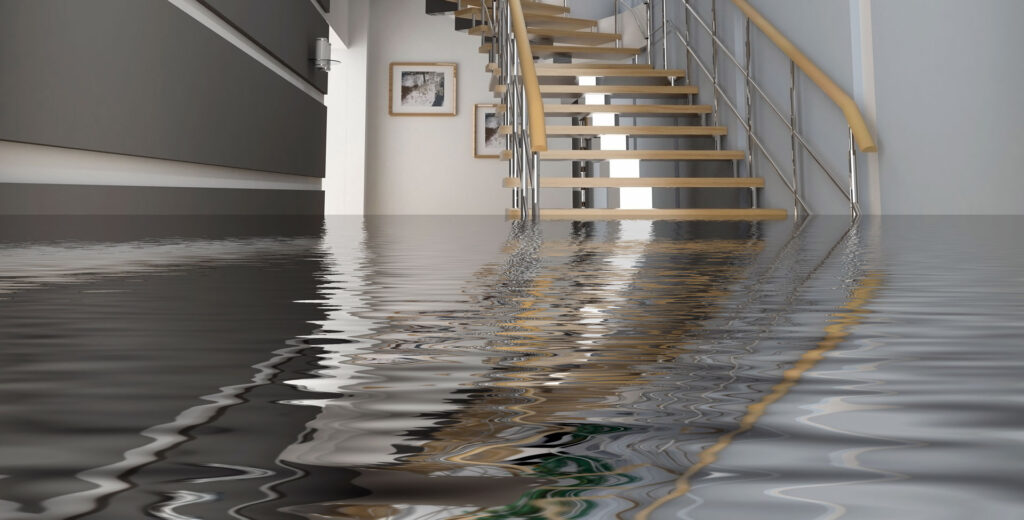
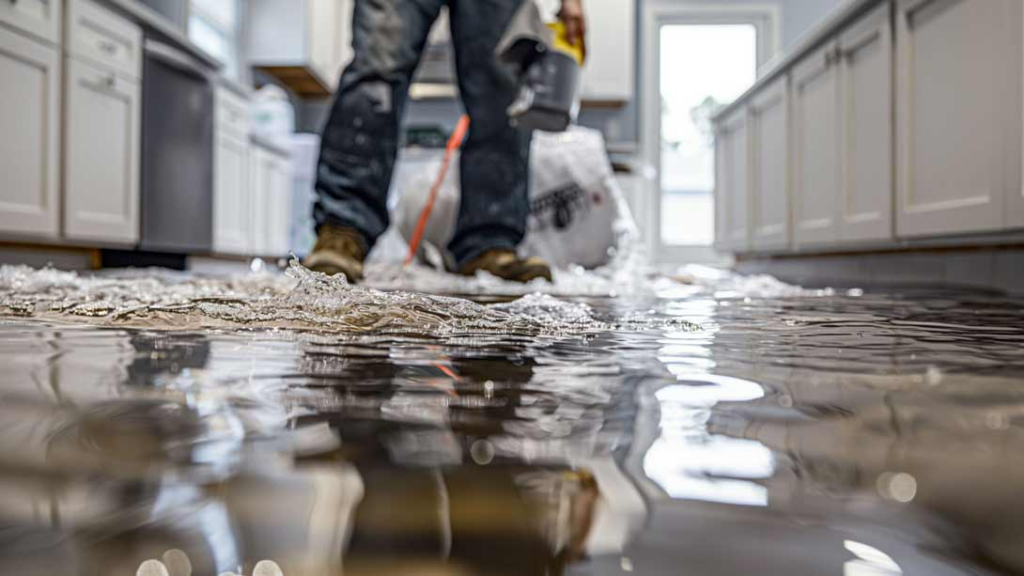
Flooding or water damage
Poor ventilation
High indoor humidity
Condensation around windows or pipes
Damp basements or crawl spaces
Homes with unresolved water damage are especially vulnerable to mold growth over time.
Why Professional Mold Remediation Matters
Small mold spots may appear manageable, but larger infestations often spread beyond visible surfaces. Professional remediation helps identify hidden moisture and safely remove contaminated materials.
Professional services can help:
Benefit | Why It Matters |
|---|---|
Moisture control | Reduces future mold growth |
Safe containment | Prevents spores from spreading |
Air filtration | Improves indoor air quality |
Damage assessment | Identifies hidden mold areas |
Proper cleanup | Removes contaminated materials |
Professional remediation focuses on both mold removal and long-term prevention.
Common Signs You May Need Mold Remediation
Many mold issues develop gradually. Recognizing the warning signs early can help homeowners reduce structural damage and avoid larger restoration projects later.
Persistent Musty Odors
One of the earliest signs of hidden mold is a strong musty smell. Even when mold is not visible, odors often indicate moisture problems behind walls or beneath flooring.
These smells may become stronger in:
Basements
Bathrooms
Laundry rooms
Crawl spaces
Attics
Persistent odors should never be ignored because they often signal ongoing moisture buildup.
Visible Mold Growth
Visible mold can appear in different colors and textures depending on the environment and moisture conditions.
Common appearances include:
Black spots on drywall
Green or gray patches on ceilings
White fuzzy growth on wood
Dark staining near vents or windows
Mold growth may spread quickly if moisture remains untreated.
Recent Water Damage or Flooding
Homes that recently experienced leaks or flooding are at higher risk for mold development. Even after surfaces appear dry, hidden moisture may remain trapped inside materials.
After water damage, homeowners should monitor for:
Peeling paint
Bubbling drywall
Warped flooring
Damp insulation
Condensation buildup
For more information about moisture-related restoration, homeowners can explore mold removal and cleanup services to better understand professional remediation options.
How Mold Affects Indoor Air Quality
Mold growth does not only damage property. It can also affect the air inside the home. Poor indoor air quality caused by mold spores may create uncomfortable living conditions, especially in enclosed spaces.
Airborne Mold Spores
As mold colonies grow, microscopic spores can spread through the air and travel into different areas of the property.
Spores may circulate through:
HVAC systems
Air vents
Hallways
Shared wall cavities
Without proper containment, mold contamination can expand throughout the home.
Signs of Poor Indoor Air Quality
Homeowners may notice changes in indoor comfort when mold is present.
Possible warning signs include:
Indoor Symptom | Potential Cause |
|---|---|
Musty indoor smell | Hidden mold growth |
Excess humidity | Poor ventilation |
Condensation buildup | Moisture imbalance |
Stale air | Restricted airflow |
Maintaining good ventilation and moisture control helps support healthier indoor environments.
Areas of the Home Most Vulnerable to Mold
Certain parts of a home are naturally more vulnerable to moisture accumulation. Regular inspections in these areas can help identify mold growth before it spreads further.
Basements and Crawl Spaces
Basements often experience high humidity levels and poor airflow, making them common locations for mold growth.
Moisture problems in basements may result from:
Foundation cracks
Poor drainage
Flooding
Condensation buildup
Even small leaks can create long-term moisture problems if left untreated.
Bathrooms and Kitchens
Bathrooms and kitchens contain constant moisture from plumbing fixtures, steam, and appliances.
Mold risks increase around:
Sinks
Showers
Dishwashers
Refrigerators
Plumbing connections
Routine cleaning and ventilation can help reduce excess moisture in these areas.
Attics and Roofing Systems
Roof leaks and poor attic ventilation may create hidden mold growth above ceilings and insulation.
Common attic moisture issues include:
Roof damage
Blocked vents
Insufficient insulation
Condensation during seasonal weather changes
Homeowners in Springfield, MA may experience increased attic moisture risks during colder months when temperature changes create condensation buildup.
The Mold Inspection Process
Professional mold inspection services help identify hidden contamination and determine the extent of the problem. Inspections are especially important after water damage or when unexplained odors persist.
What Happens During a Mold Inspection?
Inspectors evaluate the property for visible and hidden moisture problems using specialized equipment.
A typical inspection may include:
Moisture detection
Visual mold assessment
Air quality testing
Infrared imaging
Humidity measurements
These tools help identify mold growth that may not be immediately visible.
Why Inspections Help Prevent Larger Problems
Early inspections allow homeowners to address moisture issues before mold spreads extensively.
Benefits of early inspections include:
Reduced restoration costs
Faster cleanup timelines
Improved indoor air quality
Less structural damage
Prompt inspections often prevent small problems from becoming major restoration projects.
Steps Involved in Professional Mold Remediation
Professional mold remediation involves several stages designed to contain contamination and restore safe indoor conditions.
Containment and Safety Measures
The first priority is preventing mold spores from spreading to unaffected areas.
Containment methods may include:
Plastic barriers
Negative air pressure systems
HEPA filtration equipment
Sealed work zones
These precautions help limit airborne contamination during cleanup.
Removal of Contaminated Materials
Porous materials with severe mold damage may require removal and replacement.
Commonly affected materials include:
Drywall
Insulation
Carpeting
Ceiling tiles
Wood trim
Professionals evaluate whether materials can be cleaned or must be replaced.
Cleaning and Air Filtration
After contaminated materials are removed, technicians clean remaining surfaces and filter airborne particles.
This process may involve:
Remediation Step | Purpose |
|---|---|
Surface cleaning | Removes mold residue |
HEPA vacuuming | Captures spores |
Air scrubbing | Improves air quality |
Dehumidification | Reduces moisture |
Complete drying is critical for preventing future mold growth.
Homeowners can also learn more about professional mold inspection services that help identify hidden moisture and contamination risks.
Tips for Preventing Mold Growth
While not all mold problems are avoidable, homeowners can take steps to reduce moisture buildup and improve ventilation.
Simple Prevention Strategies
Helpful prevention tips include:
Fix plumbing leaks quickly
Use bathroom exhaust fans
Maintain indoor humidity levels
Clean gutters regularly
Inspect roofing systems
Improve basement ventilation
Preventative maintenance helps reduce the likelihood of future mold issues.
Monitoring Indoor Humidity
Indoor humidity levels play a major role in mold prevention. Excess moisture in the air can create ideal conditions for mold development.
Many homeowners use:
Dehumidifiers
Smart humidity monitors
Improved ventilation systems
Maintaining balanced humidity supports healthier indoor environments year-round.
When to Call a Mold Remediation Professional
Homeowners should consider professional help whenever mold growth spreads beyond small surface areas or when hidden moisture problems are suspected.
Situations That Require Immediate Attention
Professional remediation is often necessary when:
Mold covers large areas
Water damage recently occurred
Strong musty odors persist
Mold returns repeatedly
Hidden moisture is suspected
Professional remediation teams use specialized tools and containment systems designed for safe cleanup.
Benefits of Hiring Experienced Professionals
Professional remediation services provide several advantages:
More accurate moisture detection
Safer mold containment
Thorough cleanup procedures
Improved indoor air quality
Reduced long-term structural risks
Professional solutions help address both visible mold and the moisture source contributing to growth.
Conclusion
Recognizing the early warning signs of mold problems can help homeowners protect both their property and indoor comfort. Persistent odors, visible mold growth, water damage, and excess humidity are all indicators that professional mold remediation may be necessary.
At Force 1 Restoration, homeowners can access information about mold inspection, mold removal, and restoration services designed to improve indoor air quality and reduce moisture-related damage. Taking fast action after water intrusion or suspected mold growth can help prevent larger restoration issues and create a safer living environment.
Contact Us
Need assistance with mold inspection or remediation services? Visit the official Contact Us page to connect with the team and learn more about available restoration solutions.
Frequently Asked Questions
What is mold remediation?
Mold remediation is the process of identifying, containing, removing, and preventing mold growth inside a property.
How do I know if I need a mold inspection?
Persistent odors, visible mold, water damage, or unexplained humidity issues may indicate the need for a professional mold inspection.
Can mold affect indoor air quality?
Yes, airborne mold spores can reduce indoor air quality and create unpleasant odors inside the home.
How long does mold removal take?
The timeline depends on the size of the affected area and the severity of the contamination.
Can mold return after remediation?
Mold can return if moisture problems are not corrected. Proper drying and humidity control help reduce future growth risks.