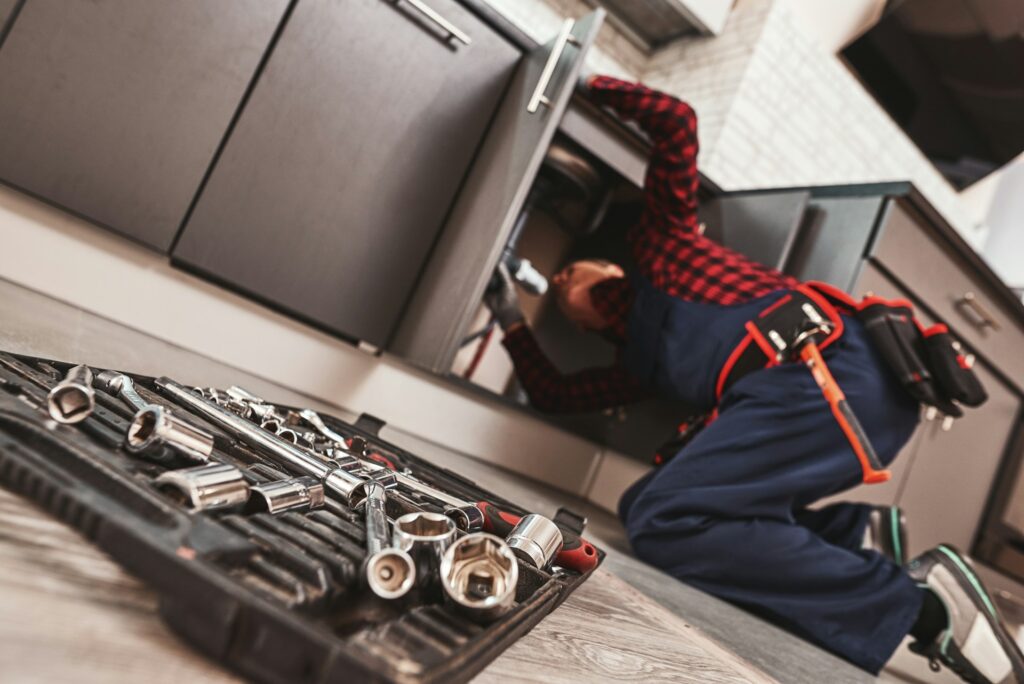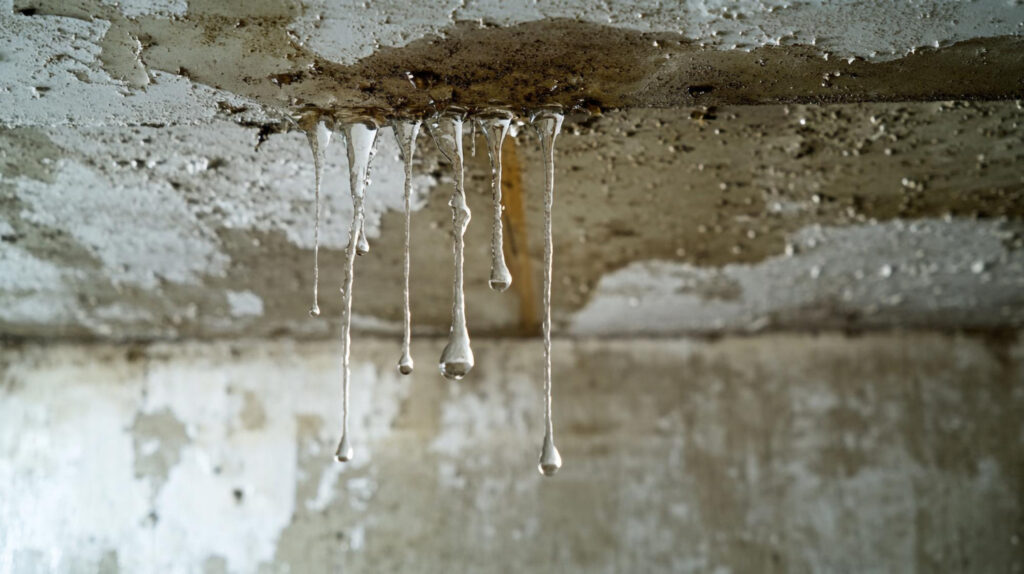
A sewage backup is one of the most unpleasant problems a homeowner can face. It’s messy, smelly, and flat-out dangerous. When raw sewage starts pushing back into a home, whether through the toilet, shower drain, or basement floor, it’s more than just a plumbing issue. While a plumber can help stop the source, the mess that’s left behind often needs a completely different kind of cleanup.
If you’ve had a sewage problem before, you know how quickly the smell spreads and how fast water seeps into places it shouldn’t. For homeowners needing sewage backup cleanup in Springfield, stopping the leak is only part of the job. What happens after the repair matters even more. Our Springfield team provides 24/7 emergency sewage cleanup as part of our water damage restoration services, so there is help available whenever a backup happens. That’s where restoration crews come in, using tools and training that go far beyond a pipe wrench or plunger.
What Happens When Sewage Backs Up
Sewage backups usually happen because of clogs, broken lines, or storm overflow. In Springfield, early spring often brings heavy rains that put extra stress on sewer lines, especially in neighborhoods that still rely on older underground systems. That’s when backups become more common.
When sewage comes into a home, it brings more than just water:
- Waste from toilets, sinks, and laundry drains
- Harmful bacteria and germs from the sewer
- Foul odors that stick to walls, tile, and furniture
Even small amounts of sewage can soak into flooring or leak under walls. Because Springfield homes often have basements or crawl spaces, the mix of old plumbing and hidden spaces makes the damage worse. The smell might grab attention first, but what’s under the surface usually poses a greater risk to health and home.
Why a Plumber Alone Isn’t Enough
Plumbers do an important job. Once they find the clog or break, they can stop the immediate overflow. But their work usually ends there. They don’t stay to clean carpets, disinfect baseboards, or test the air for bacteria. That’s where the gap begins.
Here’s what most plumbers won’t do after fixing the pipe:
- Remove contaminated water or solids from the floor
- Sanitize surfaces that touched sewage
- Check for mold growth inside walls or subfloors
Most plumbing services aren’t designed to handle large-scale cleanup or restoration. Tools like basic pumps and snakes are meant to fix the clog, not sanitize your home. For cleanup that keeps your space safe, trained restoration crews use special equipment and follow thorough safety steps.
The Risks of Incomplete Cleanup
Cleaning up what you can see isn’t enough. Water and bacteria from sewage can seep into drywall, wood, and insulation. If that’s not handled the right way, the problems keep growing, sometimes silently, over days or weeks.
Some of the issues that come from incomplete cleanup include:
- Mold that forms behind walls or under floors
- Lingering germs that spread illness
- Damage to drywall, baseboards, and flooring
Even if everything looks clean on the outside, trapped moisture can create the perfect spot for future mold or mildew. That can lead to bigger problems down the line, especially during Springfield’s muggy late spring months.
How Cleanup Experts Handle Sewage Safely
Once plumbers handle the root cause, cleanup crews take over to deal with what’s left behind. This part is all about safety, for the people living in the home and for the structure itself.
Here’s how the cleanup process unfolds:
1. Remove sewage and any damaged items
2. Clean and disinfect all exposed surfaces
3. Dry the space using commercial fans and dehumidifiers
4. Scrub the air using cleaners and special filtration machines
Teams wear protective suits and masks to avoid direct contact with contaminated materials. Equipment like air scrubbers helps clear out lingering smells and bacteria from the air. Drying the structure fully is key, since damp surfaces can create long-term mold issues.
In Springfield homes, especially those with basements or small utility rooms, every inch matters. Hidden corners or tight spaces behind walls can hold harmful material without anyone noticing. That’s why this type of work takes more than just a mop and some bleach. It calls for experience, method, and the right tools.
The Safe Way to Move Forward After a Backup
Sewage backups are stressful, but acting quickly makes a big difference. Fixing the pipe is only step one. What matters just as much is making sure everything is cleaned and dried properly once the water stops flowing.
When you choose who comes into your home after the emergency, you stay in control. Rather than going with whoever your insurance assigns, picking your own restoration company lets you work directly with people you trust.
Springfield weather adds pressure, too. As we head into rainy season, homes are more likely to face backups. Working with professionals who know what to look for and how fast these problems can grow means your home stands a better chance of staying safe and sound. Compared to temporary fixes or small cleanups, handling the whole picture now will save time and trouble tomorrow. With over 20 years of experience serving Springfield and the surrounding communities, our team understands how local sewer systems, basements, and ground conditions affect sewage cleanup and recovery.
Dealing with a sewage incident means that what follows a cleared clog is as critical as stopping the backup itself. Quick action during Springfield’s wet spring months can limit damage, and we’ve seen how hasty fixes can leave hidden problems behind. Comprehensive cleanup demands more than just plumbing tools, which is why our experienced team handles every detail with care. We also offer direct billing to many major insurance carriers when your loss is covered, helping simplify the claims process while you focus on getting your home back to normal. Learn about the full scope of sewage backup cleanup in Springfield and see that your property receives the thorough restoration it needs from Force 1 Restoration Services MA. Contact us today.