Water damage can occur unexpectedly and affect nearly every part of a property. Whether caused by severe storms, plumbing failures, appliance leaks, or flooding, water intrusion can quickly lead to structural concerns and costly repairs if not addressed promptly. For homeowners and property owners in Springfield, MA, understanding the importance of professional restoration is essential for protecting both the building and its long-term value.
At Force 1 Restoration, we recognize how damaging excess moisture can be when left untreated. Professional water damage restoration services are designed to address immediate concerns while preventing secondary damage that can develop over time. Through specialized equipment, advanced moisture detection, structural drying, and a proven restoration process, professionals help restore affected areas safely and efficiently.
This guide explains how water damage restoration works and why professional intervention plays such a critical role in protecting residential and commercial properties.
Understanding the Impact of Water Damage on Property
Before exploring the restoration process, it is important to understand how water affects a structure and why timely action matters.
Water damage extends beyond visible wet areas. Moisture can travel through walls, flooring, insulation, and structural components, creating hidden problems that worsen over time.
Immediate Effects of Water Intrusion
The first signs of water damage are often easy to identify.
Common indicators include:
-
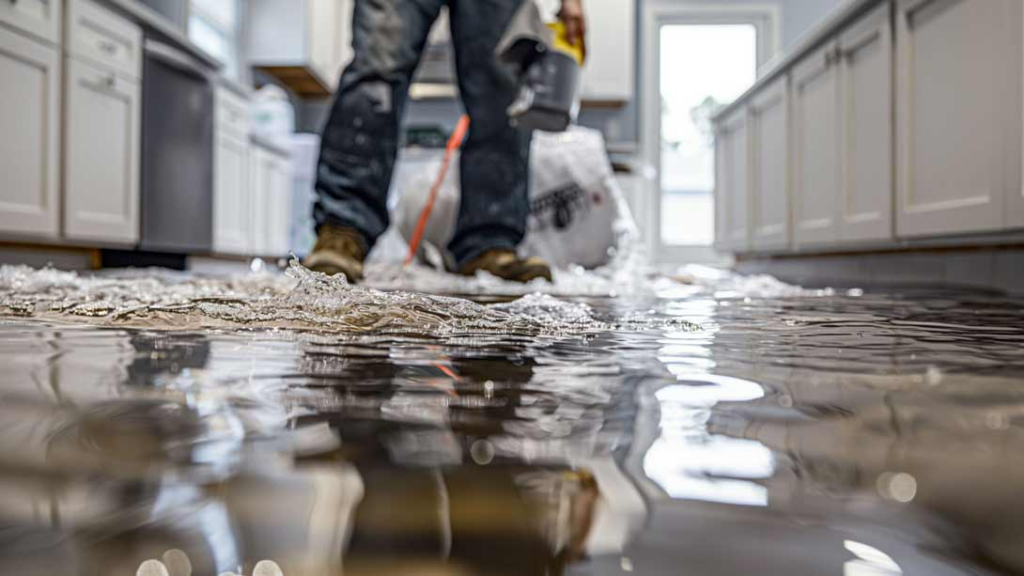
Standing water
-
Damp flooring
-
Stained ceilings
-
Wet drywall
-
Warped materials
While these issues may appear manageable initially, hidden moisture often remains trapped beneath surfaces and within building materials.
Without prompt attention, water can continue spreading throughout the structure.
Long-Term Consequences of Delayed Restoration
When water remains inside a property, additional damage frequently follows.
Potential consequences include:
-
Structural weakening
-
Material deterioration
-
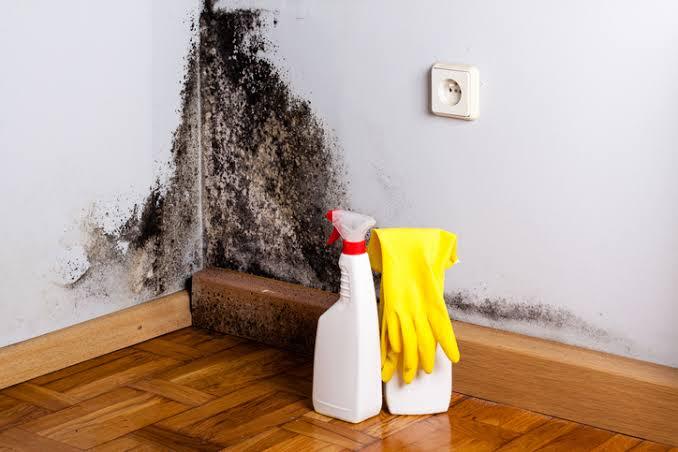
Mold growth
-
Insulation damage
-
Flooring failure
These issues become increasingly expensive to address as time passes, making professional restoration a critical first step after water exposure.
Why Water Damage Restoration Services Are Essential
Professional restoration involves much more than removing visible water. The goal is to restore the property while minimizing long-term risks.
The following sections explain how water damage restoration services help protect buildings and occupants.
Rapid Response Reduces Damage
One of the most important factors in restoration is speed.
The sooner professionals begin mitigation efforts, the greater the opportunity to limit damage and preserve materials.
Fast response helps:
-
Minimize moisture spread
-
Reduce repair costs
-
Protect structural components
-
Prevent secondary damage
-
Improve restoration outcomes
Prompt action is especially important during severe weather events in Springfield, MA, when water exposure can quickly escalate.
Specialized Equipment Improves Results
Professional restoration teams use advanced equipment designed specifically for water mitigation.
Examples include:
-
Industrial water extractors
-
High-capacity air movers
-
Commercial dehumidifiers
-
Moisture meters
-
Thermal imaging tools
These technologies allow professionals to identify hidden moisture and accelerate the drying process.
Protecting Occupant Health
Excess moisture creates favorable conditions for mold growth and poor indoor air quality.
Professional restoration helps reduce these risks by removing moisture before contaminants can spread throughout the property.
This proactive approach contributes to a healthier indoor environment.
The Restoration Process Explained
Understanding the restoration process helps property owners know what to expect during recovery efforts.
Each phase plays an important role in returning the property to a safe and stable condition.
Initial Inspection and Assessment
Every project begins with a comprehensive evaluation.
Restoration professionals inspect:
-
Affected rooms
-
Moisture levels
-
Structural materials
-
Water sources
-
Damage severity
This assessment helps determine the most effective restoration strategy.
Accurate evaluation ensures resources are directed toward all affected areas, including hidden moisture pockets.
Water Extraction and Removal
Removing standing water is the next priority.
Using specialized extraction equipment, technicians remove water from:
-
Floors
-
Carpets
-
Basements
-
Crawl spaces
-
Interior surfaces
Fast extraction helps reduce saturation levels and prepares the property for structural drying.
Structural Drying and Moisture Removal
Once standing water is removed, drying begins.
This stage focuses on structural drying and complete moisture removal from affected materials.
Drying equipment is strategically placed throughout the property to promote airflow and reduce humidity.
Professionals monitor progress using moisture detection tools to ensure drying goals are achieved.
Structural Drying: A Critical Step in Restoration
Many homeowners underestimate the importance of structural drying.
However, drying is often one of the most significant phases of the restoration process.
What Is Structural Drying?
Structural drying refers to the controlled removal of moisture from building materials.
Affected components may include:
-
Drywall
-
Wood framing
-
Subfloors
-
Ceiling materials
-
Insulation
The objective is to restore materials to acceptable moisture levels before repairs begin.
This helps preserve structural integrity and reduce future complications.
Why Surface Dryness Is Not Enough
A surface may appear dry while hidden moisture remains trapped underneath.
Without proper testing, water can linger inside walls and flooring systems for extended periods.
Hidden moisture often contributes to:
-
Material deterioration
-
Odors
-
Mold development
-
Structural instability
Professional monitoring helps ensure complete moisture removal throughout the property.
Advanced Drying Techniques
Modern restoration companies use targeted drying strategies based on material type and damage severity.
These techniques improve efficiency and help prevent unnecessary demolition while supporting successful restoration outcomes.
Common Sources of Water Damage in Springfield, MA
Water damage can originate from many different sources.
Understanding these causes helps property owners recognize risks and respond quickly when problems occur.
Plumbing Failures
Plumbing issues remain one of the most common causes of indoor water damage.
Examples include:
-
Burst pipes
-
Leaking supply lines
-
Broken fittings
-
Water heater failures
Even small leaks can cause extensive damage if they remain undetected.
Severe Weather Events
Springfield, MA experiences seasonal storms that can contribute to water intrusion.
Heavy rainfall may lead to:
-
Roof leaks
-
Basement flooding
-
Foundation moisture problems
-
Drainage issues
Properties with inadequate water management systems are particularly vulnerable during severe weather.
Appliance and Equipment Malfunctions
Household appliances can also become sources of unexpected water damage.
Common culprits include:
-
Washing machines
-
Dishwashers
-
Refrigerators
-
HVAC systems
Routine maintenance helps reduce the likelihood of appliance-related water incidents.
Comparing Water Damage Stages
The severity of water damage often influences the restoration approach.
The following table provides a general overview.
|
Damage Stage |
Characteristics |
Potential Risks |
|---|---|---|
|
Minor |
Limited water exposure |
Localized material damage |
|
Moderate |
Multiple affected areas |
Increased moisture migration |
|
Significant |
Extensive saturation |
Structural concerns |
|
Severe |
Widespread water intrusion |
Major restoration needs |
|
Hidden Moisture |
Not immediately visible |
Mold and deterioration risks |
Understanding damage severity helps property owners appreciate the importance of early intervention.
Additional Services That Support Property Recovery
Water damage restoration is often part of a broader recovery strategy.
Related services can help address additional concerns uncovered during restoration.
Roof Damage Repairs
Roof failures frequently contribute to water intrusion.
Property owners who require roof repair services often discover that unresolved roofing issues played a role in water damage events.
Addressing both concerns helps improve long-term protection.
Storm Damage Restoration
Severe weather can affect multiple exterior systems simultaneously.
Homeowners seeking storm damage restoration services may also need water mitigation to address moisture that entered during the event.
Coordinated restoration efforts help streamline recovery.
Preventative Improvements
Following restoration, professionals may recommend improvements such as:
-
Drainage upgrades
-
Waterproofing measures
-
Roof maintenance
-
Gutter improvements
These strategies help reduce the likelihood of future water-related issues.
Signs You May Need Professional Water Damage Restoration
Not all water damage is immediately obvious.
Recognizing warning signs early can help minimize repair costs and prevent additional damage.
Visible Water Stains
Discoloration on ceilings, walls, or flooring often indicates moisture intrusion.
These stains should be investigated promptly to determine the source and extent of damage.
Persistent Musty Odors
Musty smells frequently signal hidden moisture.
Even when no visible water is present, odors may indicate damp materials behind walls or beneath flooring.
Warped or Damaged Materials
Watch for:
-
Buckling floors
-
Swollen trim
-
Peeling paint
-
Soft drywall
-
Sagging ceilings
These symptoms often suggest moisture-related deterioration that requires professional evaluation.
Conclusion
Professional water damage restoration services play a vital role in protecting homes and businesses from the long-term effects of water intrusion. Through rapid response, advanced moisture removal, comprehensive structural drying, and a proven restoration process, restoration professionals help preserve structural integrity and reduce future risks.
At Force 1 Restoration, we understand the unique challenges property owners face in Springfield, MA. Whether water damage results from storms, plumbing failures, or unexpected leaks, taking immediate action can help protect your investment and support a safer, healthier property for years to come.
Contact Us
If you would like to learn more about water damage recovery or property restoration solutions, visit our Contact Us page to connect with our team.
Frequently Asked Questions
What are water damage restoration services?
Water damage restoration services involve water removal, structural drying, moisture detection, and property recovery after water intrusion.
How quickly should restoration begin after water damage?
Restoration should begin as soon as possible to reduce moisture spread, prevent material deterioration, and improve recovery outcomes.
What is structural drying?
Structural drying is the process of removing moisture from building materials such as drywall, framing, flooring, and insulation after water exposure.
Why is moisture removal important?
Complete moisture removal helps prevent mold growth, structural damage, unpleasant odors, and long-term deterioration.
Can water damage restoration services help after storm damage?
Yes. Water damage restoration services are commonly used following storms to address flooding, leaks, and moisture intrusion throughout the property.