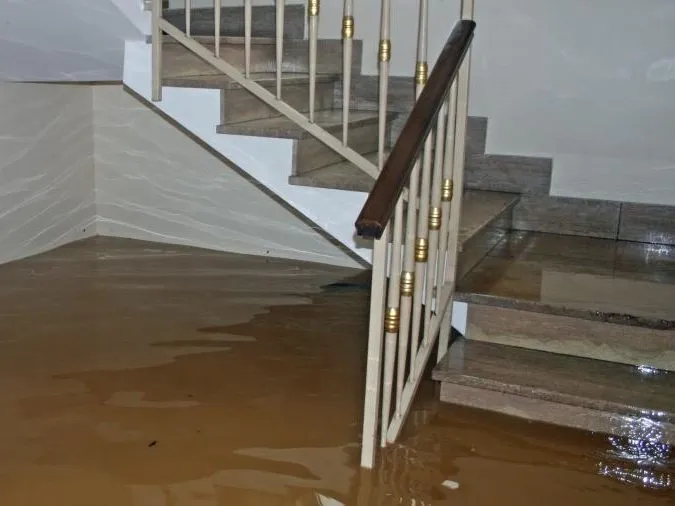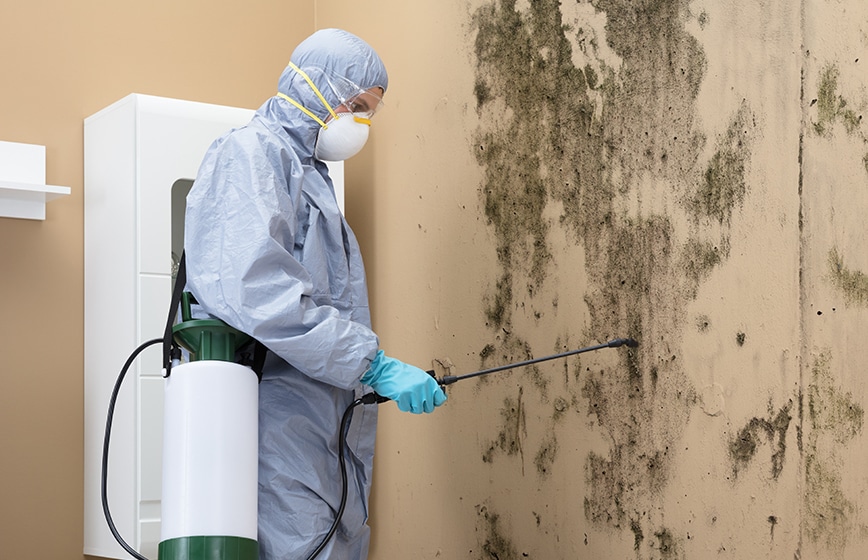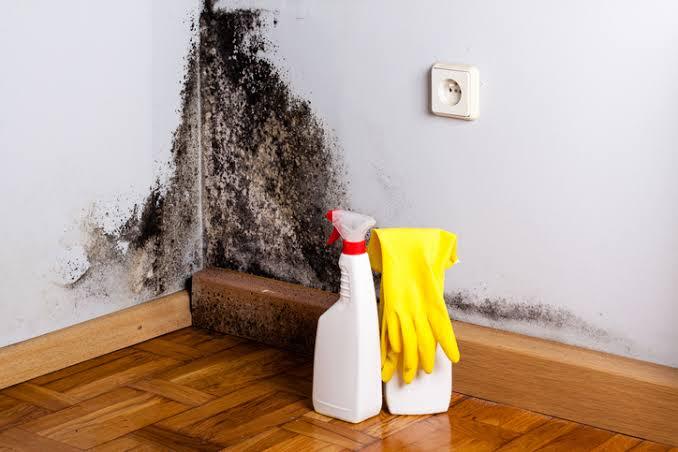
Water damage is one of the most common property issues faced by homeowners and businesses, and it can quickly become more serious when early warning signs are ignored. A small leak, unexpected flooding, or hidden moisture problem can affect walls, flooring, furniture, and the overall condition of a building. In Springfield, MA, changing weather conditions and everyday plumbing issues can create situations where fast action is necessary.
At Force 1 Restoration, we understand that recognising the first signs of water-related problems can help property owners make informed decisions. Professional water damage restoration Springfield services focus on identifying affected areas, removing excess moisture, and supporting a complete recovery process. Whether the issue involves a leaking appliance, storm-related water intrusion, or a plumbing failure, proper restoration methods can help reduce long-term damage.
This guide explains ten important signs that indicate when professional help may be needed and how solutions such as water extraction, moisture detection, and property restoration support a safer recovery.
Understanding Why Water Damage Requires Immediate Attention
Water damage often becomes worse over time because moisture can move into areas that are difficult to see. While standing water is an obvious concern, many problems develop behind walls, beneath flooring, or inside building materials without immediate visibility.
Early action allows property owners to address issues before they expand. When moisture remains untreated, it may contribute to:
Structural material deterioration
Damaged flooring and walls
Persistent damp conditions
Increased restoration requirements
Damage to personal belongings
Professional assessment helps determine the source of the problem and the correct steps needed to restore the affected space.
Common Causes of Water Damage in Springfield, MA Properties
Understanding how water damage happens can help property owners identify potential risks before they become emergencies. Different situations require different restoration approaches depending on the amount of water involved and the materials affected.
Plumbing Leaks and Pipe Problems
Plumbing issues are among the most frequent causes of indoor water damage. A leaking pipe hidden inside a wall can release moisture for days before visible signs appear.
Common plumbing-related causes include:
Burst pipes during colder months
Leaking connections under sinks
Faulty water heaters
Damaged supply lines
Regular inspections and quick responses to unusual moisture can help reduce the possibility of extensive damage.
Storm and Weather-Related Water Intrusion
Heavy rainfall, storms, and strong winds can create opportunities for water to enter a property. Roof damage, blocked drainage systems, and basement flooding are common examples of weather-related problems.
Springfield, MA properties may experience water intrusion through:
Damaged roofing materials
Poor exterior drainage
Basement leaks
Foundation cracks
Addressing these problems quickly helps prevent moisture from spreading into additional areas.
Appliance and Fixture Failures
Household appliances can also become sources of unexpected water damage. Washing machines, dishwashers, refrigerators, and other fixtures may leak when parts fail or connections become damaged.
Warning signs may include:
Water pooling around appliances
Damp flooring nearby
Unusual sounds during operation
Increased water usage
Identifying these problems early can prevent larger restoration challenges.
10 Warning Signs You May Need Water Damage Restoration Springfield Services
Recognising early indicators of water damage can help protect your property and reduce the possibility of more complicated repairs. Professional water damage restoration Springfield services can help identify hidden issues and provide the right solutions before damage worsens. Some signs are obvious, while others require professional inspection to identify.
1. Unexplained Water Stains on Ceilings and Walls
Water stains are one of the clearest signs that moisture may be entering a property. These marks often appear as yellow, brown, or darker patches on ceilings and walls.
They may indicate:
Roof leaks
Hidden plumbing issues
Water travelling through building materials
Previous damage that was not fully repaired
Even if the affected area appears small, the moisture source may be located somewhere else. A professional inspection can help identify where the water is coming from.
2. Persistent Musty Smells
A damp or musty odour often suggests that moisture is trapped somewhere inside the building. This smell may remain even after visible water has been removed.
Common areas where moisture-related odours develop include:
Basements
Carpets
Behind drywall
Storage areas
Removing the smell requires addressing the underlying moisture issue rather than simply masking it with air fresheners.
3. Soft, Warped, or Damaged Flooring
Flooring materials can react quickly when exposed to excess moisture. Hardwood may begin to warp, tiles may loosen, and carpets may feel damp or uneven.
Water exposure can affect:
Floor structure
Subfloor materials
Adhesives
Surface finishes
Professional evaluation helps determine whether materials can be restored or need replacement.
The Importance of Water Extraction During Recovery
Water extraction is a critical part of restoring a property after flooding, leaks, or other water-related incidents. Removing standing water quickly helps reduce the amount of moisture absorbed by building materials.
Professional extraction methods help prepare affected areas for drying and restoration. This process is especially important because water can move beyond visible areas and affect hidden sections of a property.
Effective water extraction may help:
Remove excess water efficiently
Reduce drying time
Protect structural materials
Limit further property damage
Once water is removed, proper drying and monitoring can continue to support the restoration process.
4. Peeling Paint and Bubbling Walls
Paint changes can reveal problems happening beneath the surface. When moisture becomes trapped inside walls, it can cause paint to bubble, crack, or peel away.
These signs may appear after:
Plumbing leaks
Poor ventilation
Flooding incidents
Exterior water penetration
Repairing the paint alone will not solve the issue if moisture remains behind the wall. Identifying and addressing the source is an important step in protecting the property.
5. Increased Indoor Humidity Levels
High indoor humidity can be a warning sign that excess moisture exists within a building. Rooms may feel uncomfortable, and condensation may appear on windows or other surfaces.
Signs of increased humidity include:
Damp air
Slow drying fabrics
Condensation
A noticeable moisture smell
Moisture detection tools help professionals locate affected areas and understand the extent of water intrusion.
6. Visible Mould Growth or Moisture-Related Concerns
Mould growth often develops when moisture remains present for an extended period. It may appear as spots or discolouration on surfaces and is commonly associated with damp conditions.
Water restoration focuses on controlling moisture sources and improving drying conditions. Addressing the cause of moisture is an important part of preventing recurring problems.
7. Damaged Furniture and Personal Belongings
Water damage does not only affect walls and floors. Furniture, documents, electronics, and other belongings may also be impacted.
Quick action can sometimes improve the chances of recovering certain items. Restoration professionals can assess the level of damage and determine appropriate cleaning or recovery steps.
8. Water Pooling in Unexpected Areas
Finding water where it should not be is a clear indication that something requires attention. Small puddles near walls, appliances, or flooring areas may point towards a larger hidden issue.
Ignoring small amounts of water can allow moisture to spread and create additional damage over time.
9. Sudden Increase in Water Bills
An unexpected rise in water costs can sometimes indicate a hidden leak within your property. While some leaks are easy to notice, others may occur behind walls, under floors, or in areas that are not regularly inspected.
Hidden leaks can slowly damage building materials and create moisture problems without obvious signs. Paying attention to unusual changes in water usage can help identify potential issues before they become more extensive.
Possible indicators of a hidden leak include:
Damp spots without a clear source
Sounds of running water when fixtures are turned off
Water stains appearing over time
Unexplained moisture near walls or ceilings
Professional assessment can help locate the source of the leak and determine the appropriate restoration steps.
10. Previous Water Damage That Was Not Fully Resolved
Past water damage can continue affecting a property if the area was not completely dried or repaired. Some homeowners may address visible signs while leaving hidden moisture behind.
Incomplete restoration can result in recurring problems such as:
Returning musty smells
New water stains
Damaged materials
Ongoing moisture concerns
A detailed inspection helps identify whether previous damage has been properly addressed or if additional restoration work is needed.
How Moisture Detection Supports Effective Restoration
Moisture detection plays an important role in identifying water damage that may not be visible. Water can travel through walls, ceilings, insulation, and flooring, making it difficult to determine the full extent of the issue without professional tools.
Advanced moisture detection methods allow restoration specialists to locate affected areas and create a more accurate recovery plan.
Benefits of professional moisture detection include:
Finding hidden moisture sources
Measuring moisture levels in materials
Preventing incomplete drying
Supporting targeted restoration work
Accurate information helps ensure that restoration efforts focus on the areas that need attention most.
The Role of Property Restoration After Water Damage
Property restoration involves several steps designed to return a damaged space to a safe and usable condition. It is not limited to removing visible water. A complete approach considers structural materials, personal belongings, drying requirements, and necessary repairs.
A typical restoration process may include:
Inspection and Damage Assessment
The first step is understanding the type and extent of water damage. Professionals evaluate affected areas, identify moisture sources, and determine the level of restoration required.
This assessment helps create a structured plan based on the property’s condition.
Water Removal and Drying
After the affected areas are identified, water removal and drying begin. Specialised equipment may be used to remove moisture from floors, walls, and other materials.
Proper drying is important because remaining moisture can continue affecting the property even after standing water has disappeared.
Cleaning and Repair
Once drying is complete, affected materials can be cleaned and repaired. Depending on the level of damage, this may involve restoring surfaces, replacing damaged materials, or completing additional repairs.
The goal is to help return the property to its previous condition while addressing the source of the problem.
Why Professional Restoration Support Matters in Springfield, MA
Water damage situations can vary significantly depending on the cause, location, and amount of moisture involved. Professional restoration support provides property owners with a structured approach instead of relying on temporary solutions.
For homeowners and businesses in Springfield, MA, professional assistance can help with:
Identifying hidden water damage
Using proper drying methods
Reducing unnecessary property disruption
Supporting a complete recovery process
Attempting to handle significant water damage without proper equipment may leave hidden moisture behind, which can lead to repeated issues in the future.
How Force 1 Restoration Helps With Water Damage Recovery
Force 1 Restoration provides support for property owners dealing with water-related emergencies and restoration needs. Our team focuses on assessing damage, managing moisture, and helping properties recover through organised restoration methods.
From initial evaluation to final repairs, having a clear process can make water damage situations easier to manage. Proper planning, moisture control, and professional techniques help protect both residential and commercial properties.
Preventing Future Water Damage Problems
While some water emergencies cannot be avoided, regular maintenance can reduce certain risks. Taking proactive steps helps property owners identify problems before they become major concerns.
Helpful prevention measures include:
Checking pipes and plumbing connections regularly
Cleaning gutters and drainage systems
Inspecting roofs for damage
Monitoring unusual smells or moisture changes
Addressing small leaks quickly
Early attention to minor problems can help reduce the possibility of extensive restoration requirements.
Conclusion
Water damage can develop quickly, and ignoring early warning signs may result in more complicated repairs. From visible stains and damaged flooring to hidden moisture and increased humidity, recognising these issues allows property owners to take action sooner.
At Force 1 Restoration, we understand the importance of timely solutions for homes and businesses facing unexpected water problems. Professional water damage restoration Springfield services help address moisture concerns, support effective drying, and assist with restoring affected properties.
Whether the damage comes from flooding, leaks, storms, or plumbing failures, proper assessment and restoration methods can help protect your property. If you notice signs of water damage, taking action early can make a significant difference.
Contact Force 1 Restoration
If you need professional assistance with water-related property concerns, our team is available to help assess your situation and discuss suitable restoration options. Feel free to contact us.
Frequently Asked Questions
How quickly should water damage be addressed?
Water damage should be handled quickly to limit moisture spread and reduce further property damage.
What does water damage restoration include?
It includes water removal, drying, moisture checks, cleaning, and necessary repairs.
Why is moisture detection important after water damage?
It helps identify hidden moisture and ensures affected areas are properly dried.
Can I handle water extraction on my own?
Small issues may be manageable, but larger damage often requires professional equipment and expertise.
When should I contact a water damage restoration company in Springfield?
Contact professionals for flooding, leaks, water stains, or signs of spreading moisture.