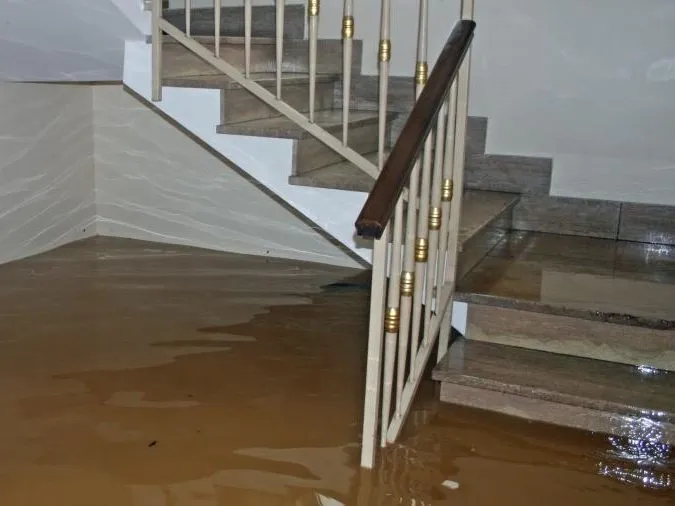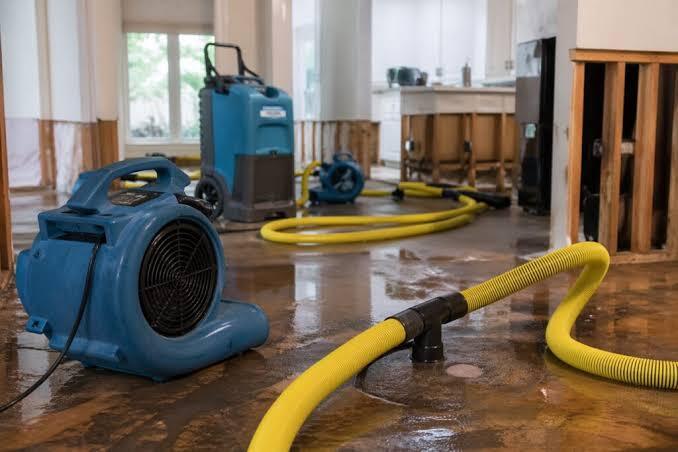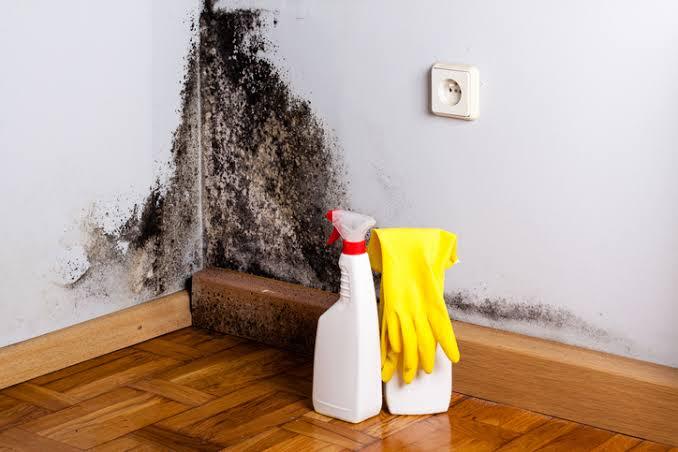
Mold problems are often connected to one major factor: moisture. While removing visible mold is an important step, controlling the conditions that allowed mold to develop is just as necessary. Without proper moisture management, mold may return and create additional concerns for a property.
At Force 1 Restoration, we understand that effective restoration involves more than surface cleaning. Professional mold clean up services focus on identifying the cause of mold, removing affected materials when needed, and helping create conditions that discourage future growth. Managing moisture levels after cleanup is an important part of maintaining a healthier indoor environment.
Whether mold developed because of leaks, high humidity, or previous water damage, taking preventive steps after cleanup can help protect your home or business. Proper moisture control supports long-term property care and reduces the chances of recurring mold issues.
Why Moisture Control Is Essential After Mold Clean Up
After mold has been removed, the environment must remain dry and properly maintained. Moisture that remains hidden behind walls, under flooring, or in other areas can create conditions where mold may return.
Understanding the connection between moisture and mold helps property owners take effective preventive measures.
How Moisture Encourages Mold Growth
Mold spores are naturally present in the environment, but they require certain conditions to grow. Excess moisture provides the ideal environment for mold development.
Common moisture sources include:
Plumbing leaks
Flooding
Roof leaks
Condensation buildup
Poor ventilation
High indoor humidity
When moisture remains untreated, it can affect building materials and create ongoing problems.
Why Removing Mold Alone Is Not Enough
Visible mold removal addresses the current problem, but it does not always solve the underlying cause. If the source of moisture remains, mold may continue developing.
A complete approach involves:
Identifying where moisture is coming from
Drying affected areas
Repairing leaks or damage
Improving ventilation
Monitoring humidity levels
These steps help create a more stable indoor environment after cleanup.
Understanding the Connection Between Water Damage and Mold
Water damage is one of the most common reasons mold develops inside properties. Even small amounts of moisture can become a concern when they are not properly addressed.
Learning how water damage contributes to mold growth can help property owners respond faster.
How Water Damage Creates Mold Risks
When materials absorb water, they may remain damp for extended periods. Items such as drywall, wood, and insulation can hold moisture even after surfaces appear dry.
Water-damaged areas may include:
Basements
Bathrooms
Kitchens
Ceilings
Flooring systems
Wall cavities
These areas should be inspected carefully after leaks or flooding events.
Hidden Moisture Problems
One of the biggest challenges after water damage is that moisture is not always visible. Water can move behind walls or beneath flooring, creating hidden damp areas.
Signs of hidden moisture may include:
Musty odors
Discoloration on walls
Peeling paint
Warped flooring
Increased indoor humidity
Identifying these signs early can help prevent larger restoration needs.
The Role of Humidity Control in Mold Prevention
Maintaining proper indoor humidity levels is one of the most effective ways to reduce future mold concerns. Even after professional cleanup, excessive moisture in the air can create favorable conditions for mold growth.
Consistent humidity control supports a healthier indoor environment.
Maintaining Balanced Indoor Humidity
Humidity levels affect how comfortable and healthy an indoor space feels. When humidity becomes too high, moisture can accumulate on surfaces and inside materials.
Homeowners can support better humidity control by:
Using dehumidifiers in damp areas
Improving air circulation
Running exhaust fans
Repairing moisture sources quickly
Monitoring indoor humidity levels
Regular attention to humidity can reduce conditions that encourage mold growth.
Areas That Need Extra Moisture Monitoring
Certain parts of a property are more vulnerable to moisture problems. Paying attention to these spaces can help identify issues early.
Area | Common Moisture Concern |
|---|---|
Basement | High humidity and groundwater issues |
Bathroom | Steam and poor ventilation |
Kitchen | Plumbing leaks and condensation |
Attic | Roof leaks and ventilation problems |
Laundry Room | Appliance leaks and excess moisture |
Regular inspections of these areas can support long-term mold prevention efforts.
Steps to Take After Professional Mold Cleanup
Once mold removal has been completed, ongoing maintenance becomes an important part of protecting the property. Prevention requires attention to moisture sources, airflow, and indoor conditions.
Simple actions can help maintain the results of restoration.
Inspect for Remaining Moisture
After cleanup, it is important to make sure affected areas are completely dry. Moisture left behind can continue creating problems even when mold is no longer visible.
Property owners should check for:
Damp spots
Unusual odors
Condensation buildup
Water stains
Changes in indoor humidity
Early detection allows problems to be addressed before they become more serious.
Improve Airflow Throughout the Property
Poor ventilation can trap moisture indoors and increase the risk of future mold growth.
Improving airflow may include:
Opening windows when appropriate
Using ceiling fans
Keeping air vents clear
Maintaining HVAC systems
Reducing moisture buildup in closed spaces
Better airflow helps moisture evaporate and keeps indoor conditions more balanced.
How Professional Restoration Supports Long-Term Moisture Management
Professional restoration involves evaluating the entire moisture situation rather than only addressing visible mold. A detailed approach helps identify areas that may require additional attention.
Experienced restoration teams use specialized tools and methods to understand the condition of a property.
Moisture Detection and Assessment
Professional evaluations may include checking areas where moisture commonly hides.
Assessment may involve:
Moisture meters
Thermal imaging tools
Visual inspections
Humidity measurements
These methods help identify moisture problems that may not be noticeable during a standard inspection.
Creating a Long-Term Prevention Plan
After identifying moisture concerns, professionals can provide recommendations based on the property’s condition.
A prevention plan may include:
Repairing damaged areas
Improving ventilation
Controlling humidity
Monitoring moisture-prone spaces
Scheduling future inspections
This proactive approach helps reduce the likelihood of recurring mold problems.
How Professional Moisture Management Helps Prevent Future Mold Issues
Controlling moisture after mold cleanup requires ongoing attention and proper maintenance. While removing existing mold addresses the immediate concern, preventing future problems depends on keeping the environment dry and stable.
A professional approach helps property owners understand potential risks and take preventive steps before mold returns.
Identifying Ongoing Moisture Sources
One of the most important parts of moisture management is finding where excess water or humidity is coming from. If the source remains unresolved, mold can continue developing even after cleanup.
Common moisture sources that require attention include:
Leaking plumbing fixtures
Damaged roofing materials
Poor drainage around the property
Condensation from HVAC systems
Inadequate ventilation
Foundation moisture
By identifying and correcting these issues, homeowners can reduce the conditions that support future mold growth.
Monitoring Indoor Conditions Over Time
Moisture control is not a one-time task. Indoor conditions can change throughout the year due to weather, temperature changes, and daily activities.
Regular monitoring can help identify:
Rising humidity levels
New leaks
Condensation problems
Damp areas
Changes in indoor air conditions
Consistent observation allows property owners to respond before minor moisture concerns become larger issues.
The Importance of Preventive Maintenance After Mold Cleanup
After completing restoration, regular property maintenance plays an important role in protecting the results. Prevention focuses on reducing moisture risks and keeping vulnerable areas in good condition.
A few simple maintenance habits can make a significant difference.
Maintain Plumbing and Water Systems
Plumbing problems are a common cause of indoor moisture issues. Small leaks can slowly create damp conditions that encourage mold growth.
Property owners can reduce risks by:
Checking pipes regularly
Repairing leaks quickly
Inspecting water heaters
Maintaining appliances
Watching for unusual water stains
Early attention to plumbing concerns can help prevent future water-related damage.
Keep Moisture-Prone Areas Dry
Certain spaces naturally experience more moisture than others. These areas should receive regular attention to prevent conditions that may lead to mold development.
Important areas to monitor include:
Bathrooms after showers
Basements during rainy seasons
Laundry rooms near appliances
Kitchens around sinks and dishwashers
Storage areas with limited airflow
Simple habits, such as improving ventilation and cleaning condensation, can support long-term moisture control.
How Professional Mold Clean Up Services Help Protect Your Property
Mold restoration involves more than removing visible growth. Effective solutions require understanding why mold developed and what steps can help prevent it from returning.
Professional mold clean up services focus on addressing both the current problem and the conditions that contribute to future concerns.
Comprehensive Evaluation and Cleanup
A professional restoration process typically begins with evaluating the affected areas and determining the extent of the problem.
This process may involve:
Inspecting affected spaces
Identifying moisture sources
Removing contaminated materials when needed
Cleaning affected surfaces
Drying the property properly
A complete evaluation helps ensure that hidden moisture problems are not overlooked.
Mold remediation services can help property owners address existing mold concerns while focusing on proper moisture control and prevention strategies.
Reducing the Risk of Recurring Mold
Recurring mold problems are often linked to unresolved moisture issues. By addressing humidity, leaks, and water damage sources, homeowners can create conditions that are less favorable for mold growth.
Long-term prevention may include:
Regular inspections
Moisture monitoring
Proper ventilation
Timely repairs
Humidity management
These steps help protect the property after restoration work is complete.
The Relationship Between Indoor Air Quality and Moisture Control
Moisture levels inside a property can influence overall indoor conditions. Excess humidity may contribute to uncomfortable environments and create opportunities for mold growth.
Maintaining balanced moisture levels supports better indoor air management.
How Moisture Affects Indoor Spaces
When moisture levels remain high, properties may experience:
Musty odors
Condensation buildup
Damp surfaces
Increased mold risk
Poor indoor comfort
Keeping moisture under control helps create a more stable indoor environment.
Supporting Healthier Indoor Conditions
Proper ventilation and humidity management contribute to better property maintenance.
Helpful practices include:
Changing HVAC filters regularly
Keeping ventilation systems clear
Using exhaust fans
Managing indoor humidity
Addressing leaks promptly
These steps support ongoing care after mold cleanup.
Comparing Moisture Control Methods
Different moisture concerns require different solutions. Understanding common methods can help property owners choose appropriate preventive measures.
Moisture Control Method | Purpose |
|---|---|
Dehumidifiers | Reduce excess indoor humidity |
Ventilation improvements | Increase airflow |
Leak repairs | Remove moisture sources |
HVAC maintenance | Support balanced air circulation |
Moisture inspections | Identify hidden problems |
Using a combination of these methods often provides better protection against future moisture issues.
Why Early Action Matters After Moisture Problems
Waiting too long after discovering moisture concerns can increase the chance of additional damage. Small issues can become more difficult to manage if moisture remains uncontrolled.
Taking early action allows property owners to address problems before they expand.
Responding Quickly to New Moisture Issues
If water damage or excess humidity appears, quick steps can help reduce potential risks.
Recommended actions include:
Identifying the moisture source
Removing standing water when possible
Increasing airflow
Checking affected materials
Contacting restoration professionals when needed
Fast response helps reduce the opportunity for mold growth.
Protecting Your Investment
A property is a major investment, and proper maintenance helps preserve its condition. Moisture control protects building materials and reduces the need for more extensive repairs.
Regular care can help:
Protect walls and flooring
Maintain indoor comfort
Reduce future restoration needs
Support property value
Preventive maintenance is an important part of responsible property ownership.
Conclusion
Removing mold is only one part of maintaining a safe and healthy property. Without proper moisture control, the conditions that caused mold may continue and increase the possibility of future problems.
At Force 1 Restoration, we understand that effective restoration requires attention to both mold removal and moisture management. Professional mold clean up services help address existing mold concerns while supporting long-term prevention through proper drying, evaluation, and moisture control practices.
Whether mold developed because of humidity, leaks, or previous water damage, controlling moisture after cleanup is essential. By maintaining proper airflow, monitoring humidity levels, and addressing moisture sources quickly, property owners can better protect their spaces and reduce future risks.
Contact Us
If you need professional assistance with mold concerns, moisture issues, or water-related problems, visit our Contact Us page to connect with our team and learn more about available restoration solutions.
Frequently Asked Questions
Why is moisture control important after mold cleanup?
Moisture control is important because excess moisture can create conditions where mold may return. Keeping areas dry and maintaining proper humidity levels helps support long-term mold prevention.
Can mold return after professional cleanup?
Yes, mold can return if the original moisture source is not addressed. Fixing leaks, controlling humidity, and improving ventilation are important steps after cleanup.
How does humidity control help prevent mold?
Humidity control reduces excess moisture in the air, making indoor conditions less favorable for mold growth. Using dehumidifiers and improving ventilation can help maintain balanced humidity levels.
What should I do if my property experiences water damage?
After water damage occurs, it is important to address the moisture source quickly, dry affected areas, and inspect the property for potential mold concerns.
When should I consider professional mold cleanup?
Professional mold cleanup may be needed when mold covers large areas, returns after cleaning, develops after water damage, or is located in difficult-to-reach areas.