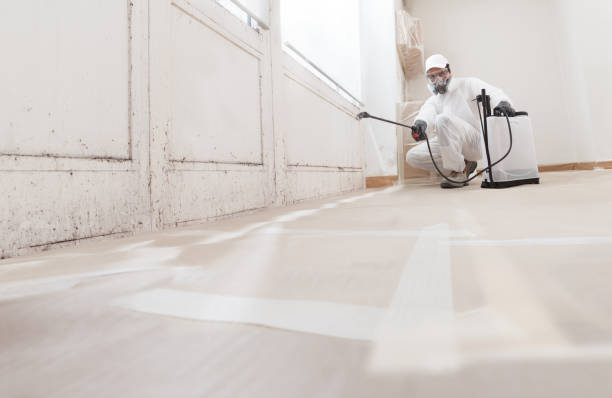
Water damage can happen unexpectedly due to flooding, plumbing failures, storms, appliance leaks, or other property issues. While visible water may seem like the biggest concern, hidden moisture can continue affecting walls, floors, and structural components long after the initial damage occurs.
At Force 1 Restoration, we understand that property damage requires more than removing standing water. A proper restoration process involves identifying the source of the problem, controlling moisture, drying affected areas, and restoring the property safely. Professional water damage restoration Springfield services help homeowners and businesses address damage efficiently while reducing the risk of long-term complications.
Taking quick action after water damage can make a significant difference. Whether a property requires emergency water removal after a sudden leak or complete restoration after flooding, professional support helps create a clear path toward recovery.
Why Fast Action Matters After Water Damage
Water damage can continue developing even after the initial incident has stopped. Acting quickly helps reduce additional problems and improves the chances of restoring affected materials.
Understanding why timing matters allows property owners to make better decisions after unexpected damage.
How Water Spreads Throughout a Property
Water does not always remain in the area where it first appears. It can travel through small openings, absorb into porous materials, and reach areas that are difficult to see.
Common areas affected by spreading moisture include:
Drywall and wall cavities
Flooring and subfloors
Wooden structures
Insulation materials
Cabinets and furniture
Ceiling areas
Because moisture can move beyond visible damage, professional assessment is often necessary to understand the full impact.
Preventing Additional Damage
The longer water remains inside a property, the greater the chance of additional issues developing. Moisture can weaken materials and create conditions that require more extensive repairs.
Quick response helps reduce risks such as:
Structural damage
Damaged flooring
Persistent odors
Increased repair costs
Long-term moisture concerns
A timely restoration approach focuses on controlling the problem before it becomes more complicated.
Understanding the Water Damage Restoration Process
Professional restoration involves several important steps designed to remove moisture, protect the property, and restore affected areas.
Each stage plays a role in creating a complete recovery plan.
Initial Inspection and Damage Assessment
The first step in restoration is understanding the extent of the damage. A professional evaluation helps determine where water has traveled and which materials have been affected.
During an assessment, professionals may review:
The source of water intrusion
Amount of standing water
Affected rooms and materials
Moisture levels
Potential structural concerns
This information helps create a restoration plan based on the property’s specific condition.
Creating a Restoration Plan
Every water damage situation is different. A small leak may require limited repairs, while extensive flooding may involve multiple restoration stages.
A restoration plan may include:
Water extraction
Cleaning and sanitation
Moisture monitoring
Drying procedures
Repairs and reconstruction
Having a clear plan helps property owners understand what steps are required throughout the process.
The Role of Emergency Water Removal After Property Damage
When significant water enters a property, removing it quickly is one of the most important steps. Standing water can continue damaging materials and increase restoration challenges.
Professional emergency water removal focuses on eliminating excess water efficiently while preparing the property for further restoration.
Removing Standing Water Safely
Standing water requires proper equipment and techniques to remove effectively. Household tools are often not enough for larger water-related problems.
Professional water removal may involve:
Powerful extraction equipment
Pumps for large amounts of water
Moisture measurement tools
Controlled removal procedures
Quick water removal helps limit the amount of time materials remain exposed to moisture.
Protecting Personal Belongings
Water damage can affect furniture, documents, electronics, and other valuable belongings. Early action may help protect items that can still be restored.
Restoration professionals may help by:
Identifying salvageable items
Separating damaged materials
Moving belongings to safer areas
Documenting affected property
Careful handling helps reduce unnecessary losses during the restoration process.
How Water Mitigation Helps Reduce Long-Term Damage
Water mitigation focuses on limiting the effects of water damage before complete restoration begins. The goal is to stabilize the property and prevent the situation from becoming worse.
Effective mitigation creates better conditions for successful restoration.
Controlling Moisture Levels
Moisture control is a major part of the restoration process. Even when visible water has been removed, hidden moisture may remain inside materials.
Water mitigation may involve:
Removing wet materials
Improving airflow
Using drying equipment
Monitoring moisture levels
Identifying hidden damp areas
These steps help prepare the property for the next stages of recovery.
Reducing the Risk of Secondary Problems
Untreated moisture can lead to additional concerns over time. Addressing water damage early helps reduce the possibility of further property issues.
Professional mitigation helps protect against:
Potential Issue | How Mitigation Helps |
|---|---|
Structural weakening | Removes excess moisture |
Damaged materials | Identifies affected areas |
Lingering odors | Supports proper drying |
Future repair needs | Addresses problems early |
A proactive approach helps protect both the property and its contents.
Why Structural Drying Is Essential After Water Damage
Removing standing water is only the beginning of the restoration process. Materials inside a property can continue holding moisture even after surfaces appear dry.
Professional structural drying focuses on removing hidden moisture from affected building components.
Using Professional Drying Equipment
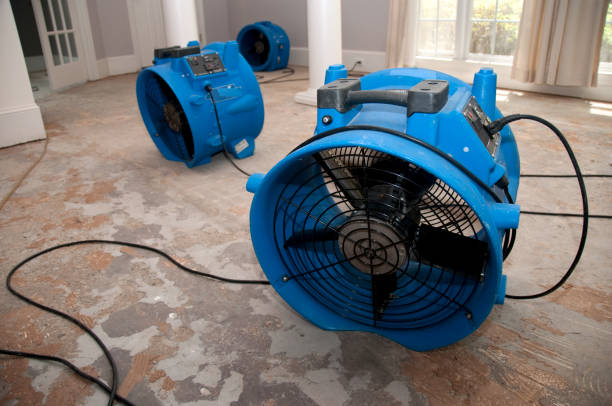
Specialized equipment helps create the conditions needed for proper drying. Restoration teams use tools designed to improve airflow and reduce moisture levels.
Drying equipment may include:
Air movers
Commercial dehumidifiers
Moisture monitoring tools
Air circulation systems
These tools help dry materials more effectively than natural air drying alone.
Monitoring the Drying Progress
Proper drying requires ongoing evaluation. Professionals monitor moisture levels to determine when affected materials have reached appropriate conditions.
Monitoring helps identify:
Remaining moisture pockets
Areas needing additional drying
Progress throughout the restoration
Readiness for repairs
Careful monitoring supports a more complete restoration process.
The Importance of Professional Flood Cleanup
Flooding can create complex challenges because water may contain dirt, debris, and contaminants that require careful handling. Proper cleanup involves more than removing visible water and drying surfaces.
A professional approach helps ensure affected areas are cleaned, evaluated, and restored properly.
Removing Contaminated Materials
Floodwater can affect different materials throughout a property. Some items may be restored, while others may need removal depending on their condition.
Professional cleanup may involve:
Removing damaged materials
Cleaning affected surfaces
Disposing of unsalvageable items
Sanitizing impacted areas
Preparing spaces for repairs
These steps help create a safer environment during the restoration process.
Restoring Damaged Areas
Once cleanup and drying are complete, restoration work focuses on repairing areas affected by water damage.
Restoration may include:
Replacing damaged drywall
Repairing flooring
Restoring affected rooms
Repainting surfaces
Completing necessary reconstruction
The goal is to return the property to a safe and functional condition.
Common Causes of Water Damage in Homes and Businesses
Water damage can occur for many reasons, and understanding common causes can help property owners recognize risks early.
Different sources of water problems require different restoration approaches.
Plumbing Issues and Appliance Leaks
Internal plumbing problems are among the most common causes of water damage. A small leak can become a major issue if it is not addressed quickly.
Common causes include:
Broken pipes
Leaking water heaters
Appliance failures
Overflowing fixtures
Damaged plumbing connections
Regular maintenance and quick repairs can help reduce the chance of serious water-related problems.
Storm and Flood-Related Damage
Severe weather can introduce large amounts of water into a property in a short amount of time.
Storm-related damage may result from:
Heavy rainfall
Basement flooding
Roof leaks
Drainage issues
Wind-related damage
Properties in areas affected by seasonal storms may benefit from quick inspections after significant weather events.
Benefits of Hiring Professional Water Damage Restoration Services
Handling water damage without professional assistance can be challenging, especially when moisture spreads into hidden areas. Water damage restoration Springfield professionals use the right equipment and approach to identify issues and manage the restoration process effectively.
Professional support provides several important advantages.
Faster Response and Better Damage Control
Water damage often requires immediate attention. Professional teams can quickly assess the situation and begin the necessary steps to limit further damage.
Benefits of professional response include:
Faster water removal
Improved moisture control
Reduced damage progression
Better restoration planning
More efficient recovery
A timely response helps protect the property from avoidable complications.
Access to Specialized Equipment
Professional restoration requires equipment designed specifically for water-related issues.
Specialized tools help with:
Water extraction
Moisture detection
Structural drying
Air circulation
Humidity control
Using the right equipment supports more effective restoration results.
Water damage restoration services help property owners address moisture problems through structured inspection, cleanup, drying, and repair processes.
How to Prepare Your Property After Water Damage
Once restoration is complete, ongoing care can help reduce the possibility of future water-related issues. Preventive maintenance allows homeowners and businesses to identify concerns before they become major problems.
A few simple steps can improve long-term property protection.
Maintain Plumbing and Drainage Systems
Regular maintenance helps prevent many common causes of water damage.
Property owners can:
Check pipes for leaks
Maintain gutters and downspouts
Inspect appliances regularly
Address small leaks quickly
Monitor areas prone to moisture
Routine checks can help identify problems before they create extensive damage.
Monitor Moisture-Prone Areas
Certain areas of a property require more attention because they are more vulnerable to moisture problems.
Important areas to monitor include:
Area | Possible Concern |
|---|---|
Basement | Flooding and moisture buildup |
Bathroom | Plumbing leaks and poor ventilation |
Kitchen | Appliance leaks |
Attic | Roof-related water intrusion |
Utility rooms | Equipment leaks |
Regular observation helps property owners respond quickly when problems appear.
Understanding When to Contact Restoration Professionals
Many property owners are unsure when professional help is necessary. While small spills may be manageable, larger water problems often require expert attention.
Knowing when to seek help can prevent more serious damage.
Situations That Require Professional Assistance
Professional restoration may be needed when:
Water affects multiple rooms
Standing water remains inside the property
Walls or flooring absorb moisture
Flooding involves contaminated water
The source of water damage is unclear
Drying cannot be completed properly
These situations often require specialized equipment and experience.
Why Waiting Can Create More Problems
Delaying restoration can allow moisture to continue affecting the property.
Potential consequences include:
Increased structural damage
More extensive repairs
Higher restoration costs
Longer recovery times
Addressing water damage early helps reduce unnecessary complications.
Choosing the Right Restoration Approach for Your Property
Every property has different restoration needs. The right solution depends on the type of damage, affected materials, and overall condition of the building.
A professional evaluation helps determine the most suitable approach.
Factors to Consider
When reviewing restoration options, property owners should consider:
The source of water damage
The amount of affected area
Required drying time
Condition of materials
Necessary repairs
Understanding these factors helps create realistic expectations.
The Value of Professional Guidance
Water damage restoration involves multiple steps, and professional guidance can make the process easier to manage.
Experts can help by:
Explaining restoration steps
Identifying hidden damage
Recommending appropriate solutions
Monitoring recovery progress
Clear communication helps property owners feel more confident during restoration.
Conclusion
Water damage can affect more than what is immediately visible. Moisture can spread into walls, flooring, and structural components, making professional assessment and restoration important after property damage.
At Force 1 Restoration, we understand that recovering from water damage requires careful planning, quick action, and the right restoration methods. Professional water damage restoration Springfield services help property owners manage the entire process, from emergency water removal and water mitigation to structural drying and final repairs.
By responding quickly and working with experienced professionals, homeowners and businesses can reduce damage, protect their property, and restore their spaces more effectively.
Contact Us
If your property has experienced water damage and you need professional assistance, visit our Contact Us page to connect with our team and learn more about restoration options for your property.
Frequently Asked Question
What does water damage restoration include?
Water damage restoration includes inspection, water removal, drying, cleaning, moisture control, repairs, and restoring affected areas to their previous condition.
How quickly should water damage be addressed?
Water damage should be addressed as soon as possible because moisture can continue spreading and may lead to additional property problems.
What is the purpose of structural drying?
Structural drying removes hidden moisture from building materials such as walls, flooring, and framing to help prevent long-term damage.
Is professional flood cleanup necessary after every flood?
Professional flood cleanup is recommended when flooding affects large areas, involves contaminated water, or creates moisture problems that cannot be handled with basic cleaning.
Why are water mitigation services important?
Water mitigation helps limit damage by removing moisture, protecting materials, and preparing the property for complete restoration.