Mold is a common indoor concern that can develop when moisture remains in a property for too long. It may appear on walls, ceilings, floors, around windows, inside damp basements, or in other areas where moisture and limited ventilation create favorable conditions for growth. In some cases, mold may also be hidden behind walls, cabinets, or other building materials.
Professional mold clean up services are designed to address more than the visible appearance of mold. A proper approach can involve inspection, containment, removal of affected materials, cleaning, air filtration, moisture control, and restoration when necessary.
Force 1 Restoration Services provides professional mold removal and remediation services for homeowners throughout Western Massachusetts. Its team focuses on identifying affected areas, containing the work area, removing contaminated materials, and addressing conditions that may contribute to recurring mold growth.
What Is Mold and How Does It Develop?
Mold is a type of fungus that can grow in areas where moisture is present. It can develop on many organic materials and building components when environmental conditions support growth.
Mold spores are naturally present in the environment, so completely eliminating every mold spore from an indoor property is not realistic. The primary concern is controlling moisture and addressing areas where mold has established itself.
Common Conditions That Encourage Mold Growth
Moisture is one of the most important factors behind indoor mold growth. A property may develop mold problems after a plumbing leak, roof leak, flooding event, condensation issue, or prolonged humidity.
Common conditions that may contribute to mold include:
Water leaks around plumbing fixtures
Previous flooding or water intrusion
Damp basements and crawl spaces
Poor ventilation
Persistent indoor humidity
Condensation around windows and pipes
Wet carpeting or flooring
Moisture behind walls or cabinets
Roof or exterior water intrusion
When moisture is not properly addressed, mold can continue developing even when the original source of water is no longer active.
Why Mold Can Be Difficult to Identify
One of the challenges homeowners face is that mold is not always visible. A musty odor, recurring moisture problem, discoloration, or unexplained deterioration may indicate that further investigation is necessary.
Mold can develop in concealed areas where normal household cleaning cannot reach it. For example, moisture can become trapped behind drywall or underneath flooring. Cabinets and other enclosed spaces may also conceal affected materials.
Signs Your Property May Have a Mold Problem
Homeowners should pay attention to changes in areas that have experienced moisture problems. A professional mold inspection may be appropriate when there are signs that suggest hidden growth or ongoing moisture.
Potential warning signs include:
Visible discoloration on walls or ceilings
Persistent musty odors
Recent flooding or water damage
Recurring condensation
Damp areas that do not seem to dry
Mold-like growth around windows or vents
Previous plumbing or roof leaks
Persistent moisture in basements or crawl spaces
Force 1 Restoration Services recommends professional evaluation when homeowners notice visible mold, musty odors, water damage, flooding, or humidity-related concerns.
Understanding the Importance of a Mold Inspection
A mold inspection can help homeowners understand the condition of an affected property. Rather than focusing only on visible growth, a professional assessment considers the surrounding environment and possible sources of moisture.
An inspection can help identify areas that may require additional attention and provide information that supports the next stage of the restoration process.
What Professionals Look For During an Inspection
A professional inspection may involve examining areas where moisture is known or suspected to be present. The assessment can include visible surfaces, areas affected by previous water damage, and spaces where mold may be concealed.
Professionals may consider:
The location of visible mold
The source of moisture
Signs of previous water damage
Humidity and condensation concerns
Potentially affected building materials
Areas where mold could have spread
Conditions that may allow mold to return
Force 1 Restoration Services states that its mold process begins with carefully inspecting the property to identify potentially affected areas and evaluating whether water damage, leaks, or humidity contributed to the problem.
How Professional Mold Clean Up Services Work
Professional mold clean up services involve a structured process rather than simply wiping visible mold from a surface. The exact approach depends on the size and location of the affected area, the type of materials involved, the source of moisture, and the condition of the property.
The objective is to safely address affected areas while limiting the potential spread of mold particles into unaffected portions of the property.
Step 1: Identify the Source of Moisture
Mold cleanup should include attention to the moisture conditions that contributed to the problem. If the underlying moisture issue remains unresolved, mold may return after the initial cleaning.
Sources may include plumbing leaks, condensation, flooding, roof problems, or inadequate ventilation.
Step 2: Establish Appropriate Containment
When mold is disturbed, particles can become airborne. Containment helps separate the affected work area from other parts of the property.
Force 1 Restoration Services uses containment procedures designed to isolate affected areas and help prevent airborne mold particles from spreading into unaffected spaces.
Step 3: Remove Affected Materials
Some materials may not be suitable for simple surface cleaning if they have become extensively affected. Depending on the circumstances, removal of damaged or contaminated materials may be necessary.
This step should be handled carefully because disturbing affected materials without appropriate precautions can spread particles into surrounding areas.
Step 4: Clean and Filter the Affected Area
After affected materials are addressed, appropriate cleaning and air filtration can help improve conditions within the work area.
Force 1 Restoration Services identifies air filtration and cleaning as part of its mold cleanup approach.
Step 5: Address Remaining Moisture Concerns
Mold prevention depends heavily on moisture control. After cleanup, homeowners should address the conditions that allowed the problem to develop.
This may involve correcting leaks, improving ventilation, controlling condensation, or addressing other sources of excess moisture.
Mold Remediation vs. Basic Mold Cleaning
The terms mold cleaning and mold remediation are sometimes used interchangeably, but professional remediation generally involves a broader approach.
Basic cleaning may address mold that is limited to a suitable surface. Remediation focuses on controlling the affected environment, containing the work area, removing affected materials when necessary, cleaning the space, and addressing the underlying moisture conditions.
| Restoration Step | Main Purpose |
|---|---|
| Mold Inspection | Identify affected areas and possible moisture sources |
| Containment | Help prevent particles from spreading |
| Material Removal | Remove affected materials when necessary |
| Cleaning | Address remaining contamination on appropriate surfaces |
| Air Filtration | Support cleaner conditions within the work area |
| Moisture Control | Reduce conditions that can encourage recurring growth |
| Restoration | Repair affected portions of the property when required |
The appropriate process depends on the property and the extent of the mold problem. A professional assessment helps determine which steps are necessary.
How Mold Can Affect Indoor Air Quality
Indoor air quality can become a concern when mold or other airborne particles are present inside a property. Mold may release microscopic particles into the surrounding environment, particularly when affected materials are disturbed.
For this reason, professional containment and appropriate cleaning practices can be important during remediation.
Why Air Filtration Matters During Cleanup
Air filtration can be used as part of a controlled remediation process to help manage airborne particles in the affected area.
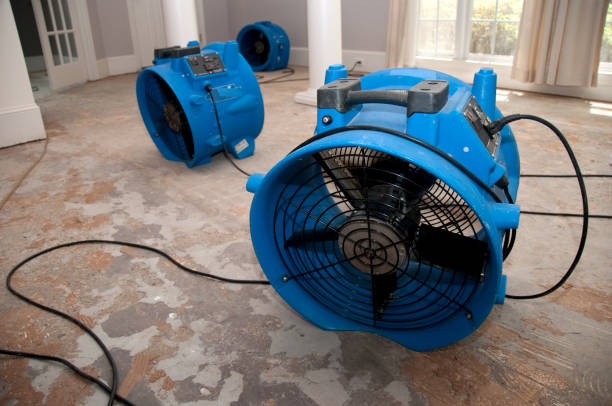
Force 1 Restoration Services includes air filtration and cleaning within its mold cleanup approach and uses professional remediation equipment to support its work.
Homeowners can also explore the company’s air duct cleaning services when indoor air circulation and HVAC-related contaminants are a concern. Air duct cleaning addresses the duct system and should not be considered a substitute for proper mold remediation when established mold growth is present.
Why DIY Mold Cleanup May Not Address the Entire Problem
Homeowners may be tempted to clean a small visible area themselves. While the appropriate response depends on the situation, visible mold may not always indicate where the underlying moisture problem is located.
A surface can appear clean while moisture remains behind or underneath the affected area. Similarly, cleaning visible growth without addressing the source of moisture may allow the problem to return.
Professional assistance can be particularly useful when:
Mold covers a significant area
Mold is located in difficult-to-access spaces
The property has experienced substantial water damage
Mold keeps returning after cleaning
There is a persistent musty odor
Moisture is present behind walls or beneath flooring
Containment may be necessary
Damaged building materials need to be removed
For larger or concealed problems, professional evaluation provides a more structured way to understand the condition of the property.
The Connection Between Water Damage and Mold
Water damage and mold are closely connected because excess moisture can create conditions that support mold growth. A property affected by a leak, flood, or plumbing failure may therefore require both water restoration and mold prevention measures.
If water damage has affected your property, addressing it promptly can help reduce the conditions that encourage mold. Force 1 Restoration Services provides water damage restoration services that include water extraction, drying, and restoration support.
When water damage has already resulted in property deterioration, the restoration process may eventually require repairs or reconstruction. Force 1 Restoration Services also provides reconstruction services for properties requiring rebuilding after damage.
How Homeowners Can Help Prevent Future Mold Growth
Professional remediation addresses an existing problem, but homeowners can also take steps to reduce the likelihood of recurring moisture-related issues.
Useful preventive measures include:
Repairing plumbing leaks promptly
Addressing roof or exterior water intrusion
Improving ventilation in bathrooms and kitchens
Monitoring areas with recurring condensation
Keeping damp areas properly ventilated
Addressing flooding and water damage quickly
Checking basements and crawl spaces for moisture
Maintaining HVAC systems appropriately
Investigating recurring musty odors
The goal is not simply to remove existing mold. Long-term property protection also requires attention to the conditions that allow mold to develop.
Why Experience Matters When Choosing Mold Remediation Services
Mold remediation requires attention to safety, containment, affected materials, moisture conditions, and the overall property environment. Choosing a restoration company with relevant experience can help homeowners approach the problem systematically.
Force 1 Restoration Services is a family-owned and operated restoration company serving Western Massachusetts. The company states that its technicians are IICRC-certified and that it is licensed and insured for its restoration services.
Its mold remediation process includes property assessment, containment, removal of affected materials, air filtration, and steps intended to address moisture-related conditions.
Take the Right Steps to Protect Your Property From Mold
Mold is more than an unwanted mark on a wall. It can indicate an underlying moisture problem that requires attention, particularly when growth continues to return or appears in areas affected by water intrusion.
For homeowners dealing with visible mold, musty odors, water-related concerns, or suspected hidden growth, Force 1 Restoration Services provides professional mold removal and remediation support throughout Western Massachusetts. The company also offers related restoration services that can help address water damage and property repairs when necessary.
If you suspect mold in your home, taking action early can help you better understand the condition of the property and determine the appropriate next steps. To discuss your situation with Force 1 Restoration Services, Contact Us for professional assistance with mold concerns and restoration needs.