Mold problems can develop in residential properties without homeowners noticing them immediately. A small plumbing leak, roof damage, poor ventilation, or excess humidity can create conditions that allow mold to grow. While some signs are easy to recognize, others may indicate hidden moisture or mold developing behind walls, beneath flooring, or inside cabinets.
For homeowners, identifying these warning signs early is important for protecting the property’s structure and maintaining a comfortable indoor environment. Professional mold clean up services can help identify affected areas, address visible mold, and determine whether moisture problems are contributing to continued growth.
Force 1 Restoration Services provides mold removal and remediation solutions for residential and commercial properties in Springfield, MA, and surrounding Western Massachusetts communities. Understanding the common signs of mold can help homeowners recognize when a professional assessment may be necessary.
What Causes Mold Growth in Residential Properties?
Mold is a type of fungus that develops in environments where moisture and suitable organic materials are present. It can grow on drywall, wood, insulation, carpeting, ceiling materials, and other household surfaces.
Mold spores are naturally present in the environment. However, when they encounter damp surfaces and favorable conditions, they can begin growing indoors.
Some common causes of residential mold growth include:
Plumbing leaks: Leaking pipes beneath sinks, behind walls, or near bathroom fixtures can create persistent moisture.
Roof leaks: Damaged roofing materials allow rainwater to enter attics, ceilings, and wall cavities.
Basement moisture: Poor drainage, foundation cracks, and water intrusion can contribute to damp basement conditions.
Poor ventilation: Bathrooms, kitchens, and laundry rooms may retain excess humidity when ventilation is inadequate.
Previous water damage: Areas that were not properly dried after flooding or leaks may develop mold over time.
Understanding these causes helps homeowners identify potential problem areas before mold spreads into additional parts of the property.
7 Common Signs Your Property Needs Professional Mold Clean Up Services
Recognizing early warning signs can help homeowners decide when to arrange a professional mold inspection. The following indicators deserve attention, particularly when they appear alongside moisture problems or previous water damage.
1. Persistent Musty or Earthy Odors
A musty smell is one of the common indicators of possible mold growth. Homeowners may notice an earthy or damp odor in basements, bathrooms, closets, or rooms that receive limited airflow.
Sometimes, the smell remains even after cleaning the room or opening windows. This may indicate that moisture or mold is present in an area that cannot be easily seen.
Pay attention to:
Unusual odors near walls or flooring.
Persistent damp smells in storage areas.
Musty odors inside cabinets or closets.
Smells that return shortly after cleaning.
Although musty odors do not automatically confirm mold, they can indicate moisture-related problems that deserve further investigation.
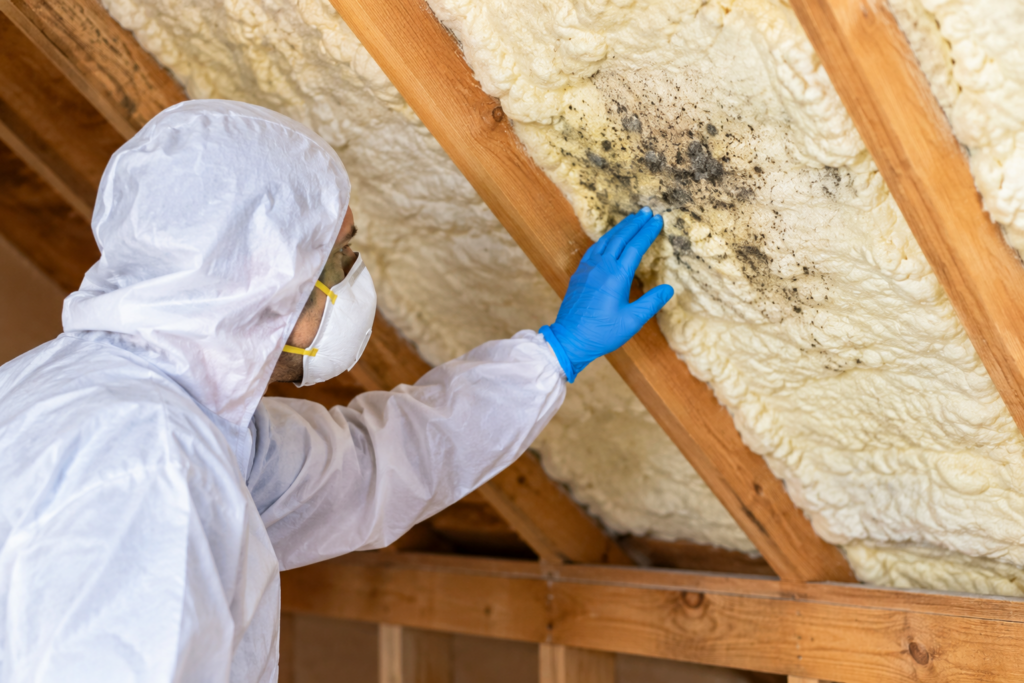
2. Visible Mold Spots and Discoloration
Visible spots are another important warning sign. Mold can appear in different colors and textures depending on the surface and environmental conditions.
Common appearances include black, green, gray, brown, or white patches. It may look fuzzy, powdery, or irregular.
Homeowners should check areas such as:
Bathroom ceilings and shower corners.
Basement walls and flooring.
Window frames and surrounding surfaces.
Areas beneath kitchen and bathroom sinks.
Attic walls and roof sheathing.
Not all dark stains are mold, and mold cannot be reliably identified by color alone. A professional assessment can help determine whether the discoloration is mold-related and what action may be appropriate.
3. Recurring Moisture Issues
Recurring moisture is one of the strongest reasons to investigate possible mold problems. Even when surfaces appear dry, moisture can remain inside building materials.
For example, a small pipe leak may continuously wet the inside of a cabinet. Similarly, condensation around windows can keep surrounding materials damp.
Watch for these conditions:
Water collects around windows.
Repeated condensation on interior surfaces.
Damp basement walls.
Wet areas beneath plumbing fixtures.
Moisture returning after routine cleaning.
Professional mold clean up services may be necessary when moisture problems have created conditions for mold to develop. Addressing the underlying water source is equally important.
4. Peeling Paint, Bubbling Walls, or Damaged Wallpaper
Changes in wall and ceiling surfaces can indicate prolonged exposure to moisture.
When water becomes trapped behind paint, drywall, or wallpaper, surfaces may begin to deteriorate. You might notice bubbling paint, peeling wallpaper, soft drywall, or unusual discoloration.
These conditions do not always mean mold is present. However, they suggest that moisture may be affecting materials behind the visible surface.
Avoid covering damaged areas with fresh paint or wallpaper before determining the cause. Doing so may conceal an ongoing moisture problem.
5. Previous Water Damage or Flooding
A property that has experienced flooding, plumbing failures, roof leaks, or appliance overflows may have an increased risk of mold development.
Water can enter materials that are difficult to dry completely, including insulation, subflooring, drywall, and wooden framing.
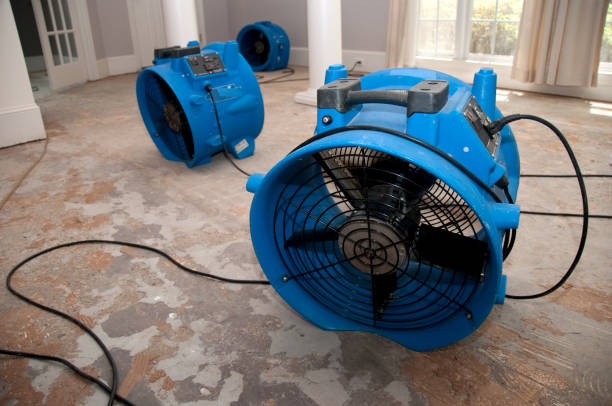
Even after visible water has been removed, hidden moisture may remain.
Homeowners should pay particular attention to previously affected areas, especially if they notice new odors, discoloration, or recurring dampness.
A professional mold removal service can help assess whether mold has developed following water damage and determine the appropriate remediation approach.
6. Mold Returning After Household Cleaning
Finding mold in the same location repeatedly is another sign that the underlying problem may not have been resolved.
Cleaning a visible patch does not necessarily address moisture trapped beneath the surface or mold affecting nearby building materials.
Recurring growth may be associated with:
Unresolved plumbing leaks.
Excess indoor humidity.
Inadequate ventilation.
Moisture inside walls or flooring.
Previously affected materials that were not properly addressed.
A professional mold remediation service evaluates the affected area and investigates contributing moisture conditions rather than focusing only on visible discoloration.
7. Persistent Indoor Air Quality Concerns
Mold-related indoor environmental concerns may sometimes accompany persistent musty odors and damp conditions.
The Environmental Protection Agency and other public health authorities recognize that indoor dampness and mold can be associated with respiratory symptoms and allergic reactions in some individuals.
However, symptoms alone cannot establish the presence of mold or identify its source.
If homeowners notice ongoing indoor air quality concerns alongside visible mold, unusual odors, or water damage, investigating the property may be appropriate.
Common Areas Where Mold Develops in Homes
Certain parts of a home are more vulnerable to moisture accumulation and limited airflow.
| Area of the Property | Possible Warning Signs | Common Moisture Source |
|---|---|---|
| Basement | Musty odors and wall discoloration | Foundation leaks and poor drainage |
| Bathroom | Ceiling spots and damp corners | Shower moisture and inadequate ventilation |
| Kitchen | Cabinet discoloration and damp surfaces | Plumbing leaks and condensation |
| Attic | Dark spots on wooden surfaces | Roof leaks and ventilation problems |
| Laundry Room | Damp walls and unusual odors | Appliance leaks and excess humidity |
| Windows | Condensation and surface discoloration | Indoor humidity and temperature differences |
Regularly checking these areas can help homeowners recognize developing moisture problems before they affect larger portions of the property.
Why Early Mold Identification Matters
Ignoring possible mold problems can allow moisture-related damage to continue. Mold may spread to nearby materials when the conditions supporting its growth remain present.
Early identification is important for several reasons.
Helps identify hidden moisture: Professional assessments can investigate areas where water may have entered behind walls, beneath flooring, or inside other building materials.
Supports appropriate cleanup: Identifying the affected materials helps determine whether cleaning, removal, or additional restoration work may be required.
Helps prevent recurring problems: Addressing the source of moisture is essential for reducing the likelihood of mold returning.
Protects building materials: Prolonged moisture exposure can damage drywall, insulation, wood, and other structural components.
Taking action when warning signs first appear can make it easier to understand the extent of the problem and determine the next steps.
When Should Homeowners Consider Professional Mold Remediation?
Not every small surface stain requires the same response. However, professional evaluation is worth considering when mold appears repeatedly, affects multiple areas, follows significant water damage, or involves materials that are difficult to access.
Homeowners should consider professional assistance when:
Mold appears across multiple surfaces or rooms.
A musty odor persists without an obvious source.
Mold returns after household cleaning.
Water damage has affected walls, ceilings, or flooring.
Moisture is suspected inside wall cavities or insulation.
The affected area is difficult to clean safely.
Force 1 Restoration Services provides mold removal and remediation services that include property assessment, evaluation of affected areas, and a plan for addressing identified mold problems.
Its approach includes assessing moisture conditions, identifying affected materials, and using appropriate containment and remediation procedures where needed.
How Professional Mold Remediation Helps Address Mold Problems
Professional mold remediation involves more than removing visible spots. The process focuses on evaluating the affected area, addressing the conditions that support mold growth, and determining which materials require cleaning or removal.
Although the exact process depends on the property, common steps include:
1. Property Assessment and Mold Inspection
The affected areas are evaluated to identify visible mold, moisture sources, and materials that may require further investigation.
2. Containment of Affected Areas
Appropriate containment measures may be used to reduce the spread of mold spores into unaffected parts of the property during remediation.
3. Cleaning and Removal
Affected materials are cleaned or removed depending on their condition and the extent of contamination. Porous materials that cannot be adequately cleaned may require removal.
4. Moisture Source Identification
The underlying cause of moisture is investigated. Leaks, water intrusion, and humidity problems may need to be corrected to reduce the likelihood of recurring growth.
5. Final Assessment
The affected area is reviewed to determine whether the planned remediation work has been completed and whether additional repairs or moisture control measures are needed.
Force 1 Restoration Services works with homeowners to assess mold-related property concerns and determine appropriate remediation steps.
Practical Ways to Reduce the Risk of Mold Growth
Although mold cannot always be prevented, homeowners can take practical steps to reduce indoor moisture and identify problems earlier.
Consider the following habits:
Repair plumbing leaks as soon as they are discovered.
Use bathroom exhaust fans during and after showers.
Keep gutters and drainage systems clear.
Inspect basements and attics for signs of water intrusion.
Address roof leaks and damaged windows promptly.
Improve ventilation in areas where humidity accumulates.
Dry water-damaged materials promptly and thoroughly.
Monitor areas that have experienced previous flooding or leaks.
These measures help manage moisture, which is an important part of reducing conditions that support indoor mold growth.
Conclusion
Recognizing the early signs of mold can help homeowners address property concerns before they become more extensive. Musty odors, visible discoloration, recurring moisture, damaged surfaces, and previous water damage are all reasons to investigate possible mold growth.
Professional mold clean up services can help identify affected areas, evaluate moisture conditions, and determine appropriate remediation steps. Addressing both the visible mold and its underlying cause is essential for reducing the likelihood of recurring problems.
For homeowners in Springfield, MA, and surrounding Western Massachusetts communities, Force 1 Restoration Services provides mold removal and remediation support for residential properties. If you notice signs of mold or suspect hidden moisture in your home, Contact Us to discuss your property concerns and learn about the available restoration services.